Francisco Munguía
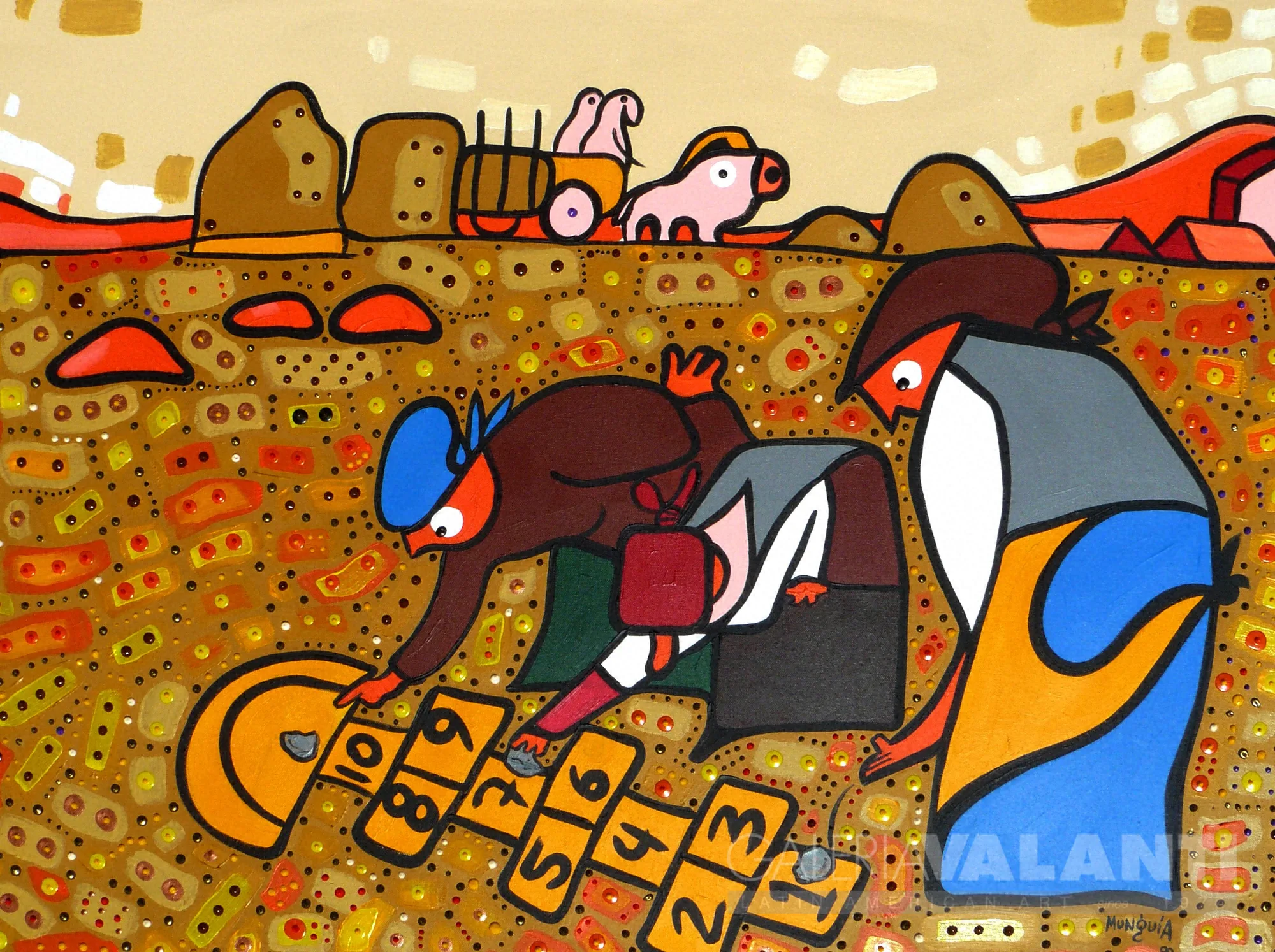
Rayuela
- Year
- 2015
- Technique
- Acrylic/Canvas
- Dimensions
- 100 × 77 cm
- Status
- Available
Curatorial analysis
Curatorial analysis
A recognizable motif from the history of rural painting, in which three women bend over the earth during harvest, is completely overturned upon discovering the true object of their devotion: they are not gleaning ears of wheat or grains, but rather playing a game of hopscotch traced directly into the mud.
The ground concentrates the painting's greatest material and visual density. Munguía transforms the earth into a textured, granular tapestry through a rhythmic stippling of concentric circles and raised dots, dotted with oranges, yellows, and ochres that vibrate against the earthy background. This tactile surface contrasts sharply with the graphic rigidity of the numbered hopscotch squares, whose firm angles guide the eye diagonally toward the lower left corner. Across this textile-like plane, the figures are delineated by thick, bold black outlines reminiscent of comic art volumes and popular poster design.
Along the upper register, the horizon flattens out. A miniature convoy of carts, bundles, and a draft animal moves between stylized hills, maintaining a deliberate two-dimensionality that closes off traditional atmospheric depth. Light here does not obey natural sources; instead, it functions as sheer contrast between saturated zones, such as the cobalt blue of the garments, and the clay-like warmth dominating the rest of the canvas.
This tension between agricultural labor and childhood play redefines the weight of daily toil. The figures retain the heavy posture and arched backs typical of farm laborers, yet their hands hold game markers rather than harvesting tools. By superimposing the memory of manual labor onto the innocence of a street game, the work offers a playful, desacralized view of rural geography, where productive routine surrenders its territory to collective amusement.
More works by Francisco Munguía
42 works
Inquire about availability
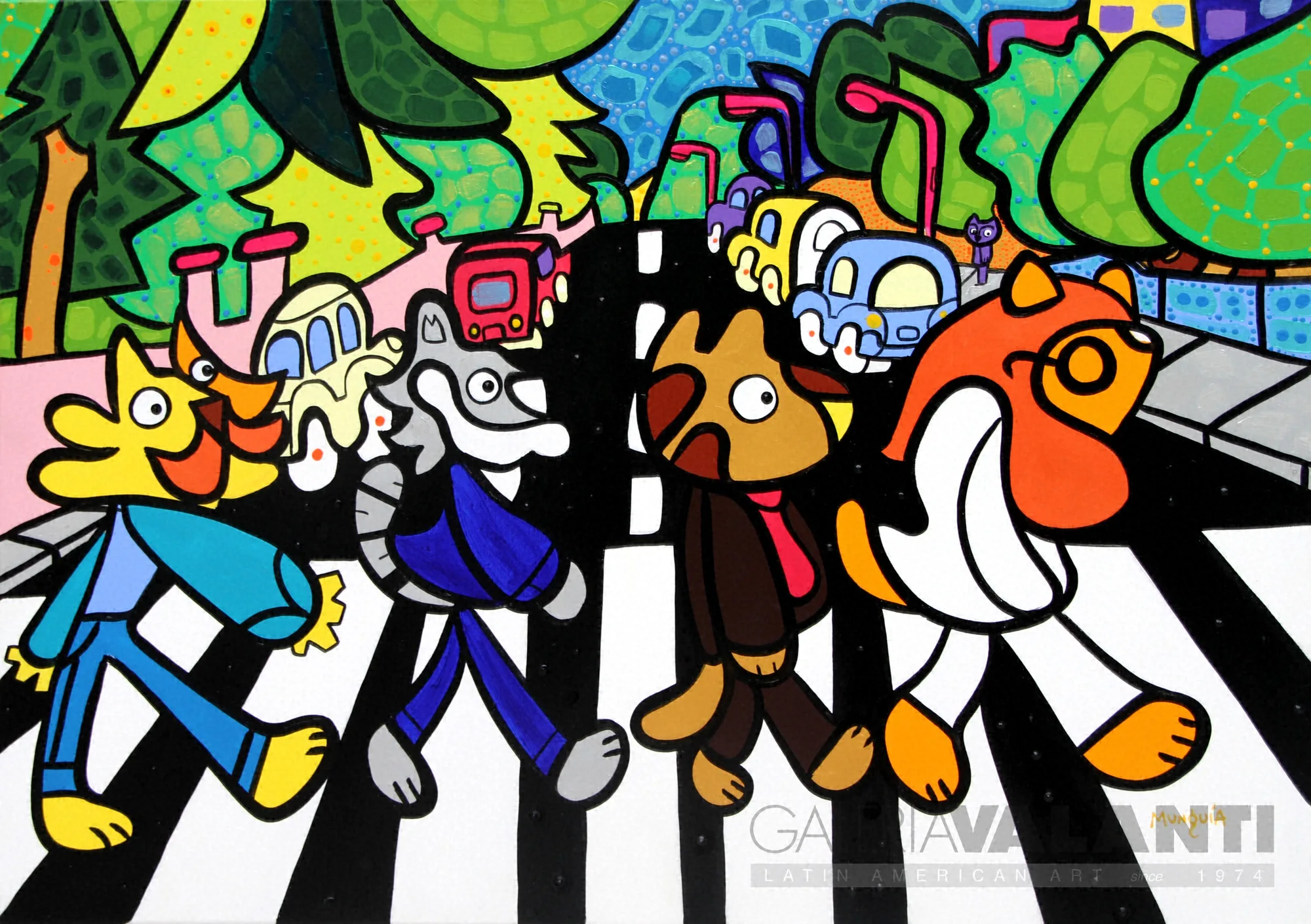
- Cuatro gatos "Abbey Road"Inquire about availabilityFrancisco Munguía · 2019
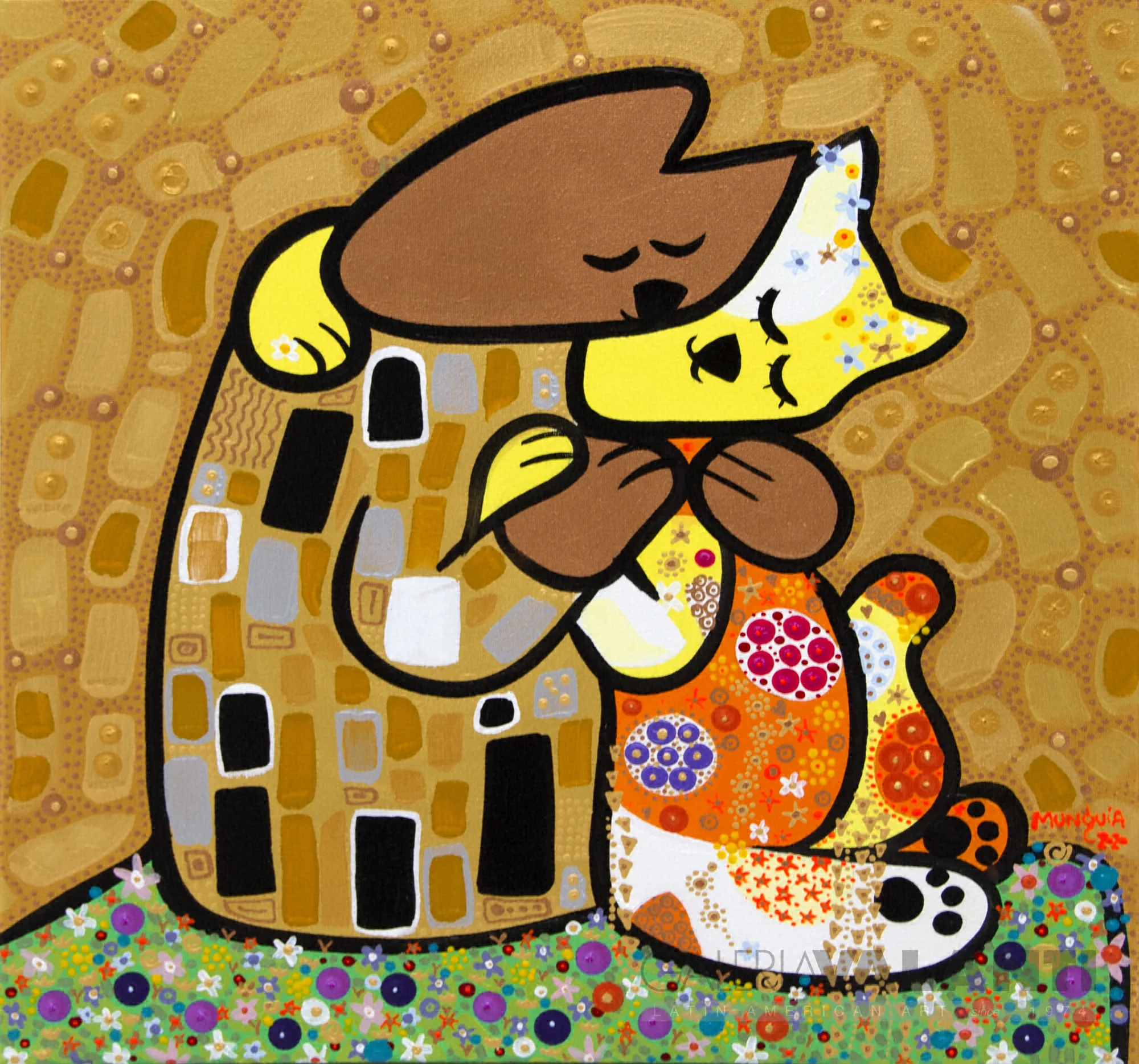
- Beso de gatosInquire about availabilityFrancisco Munguía · 2020
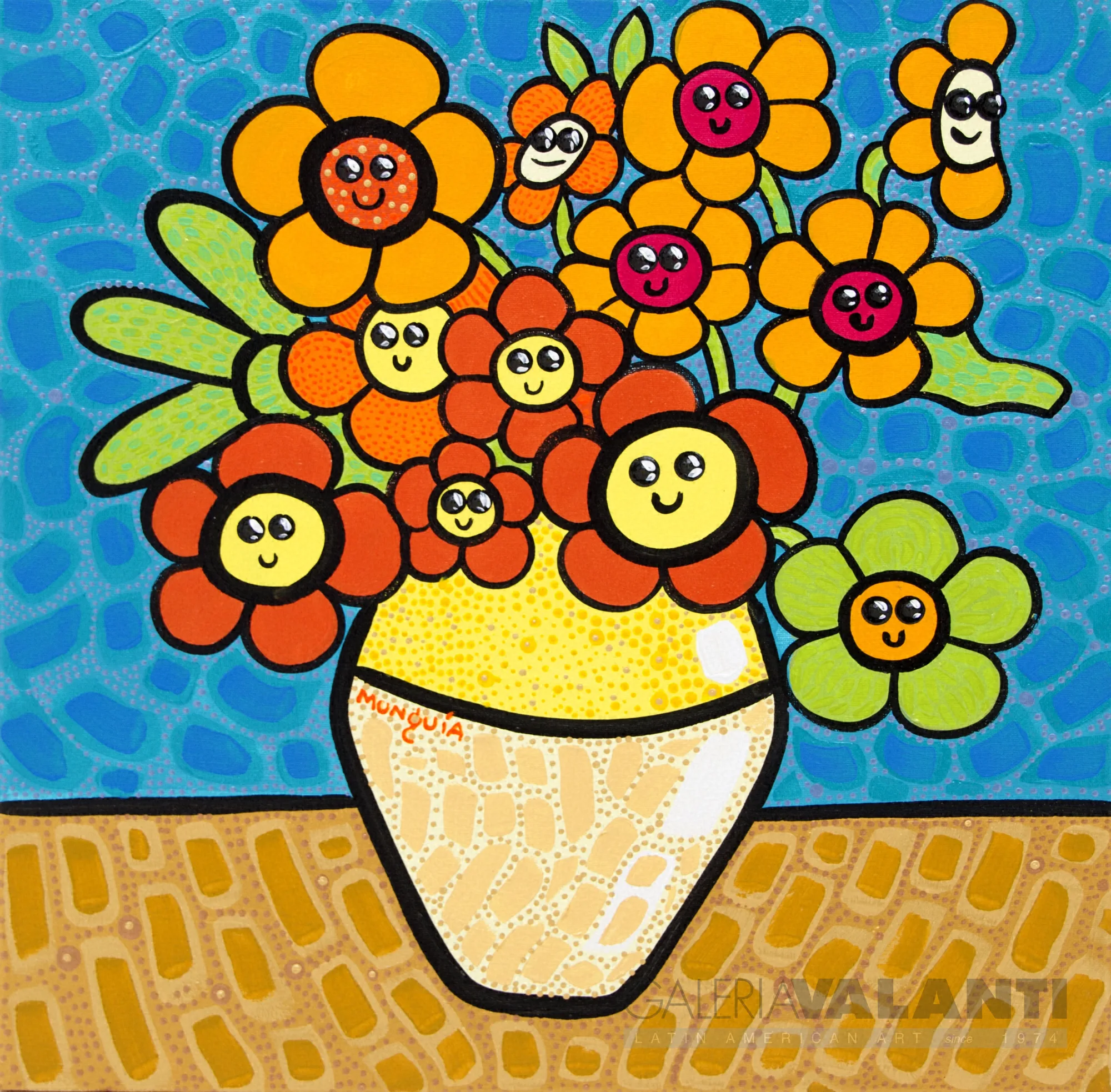
- FloresInquire about availabilityFrancisco Munguía · 2020
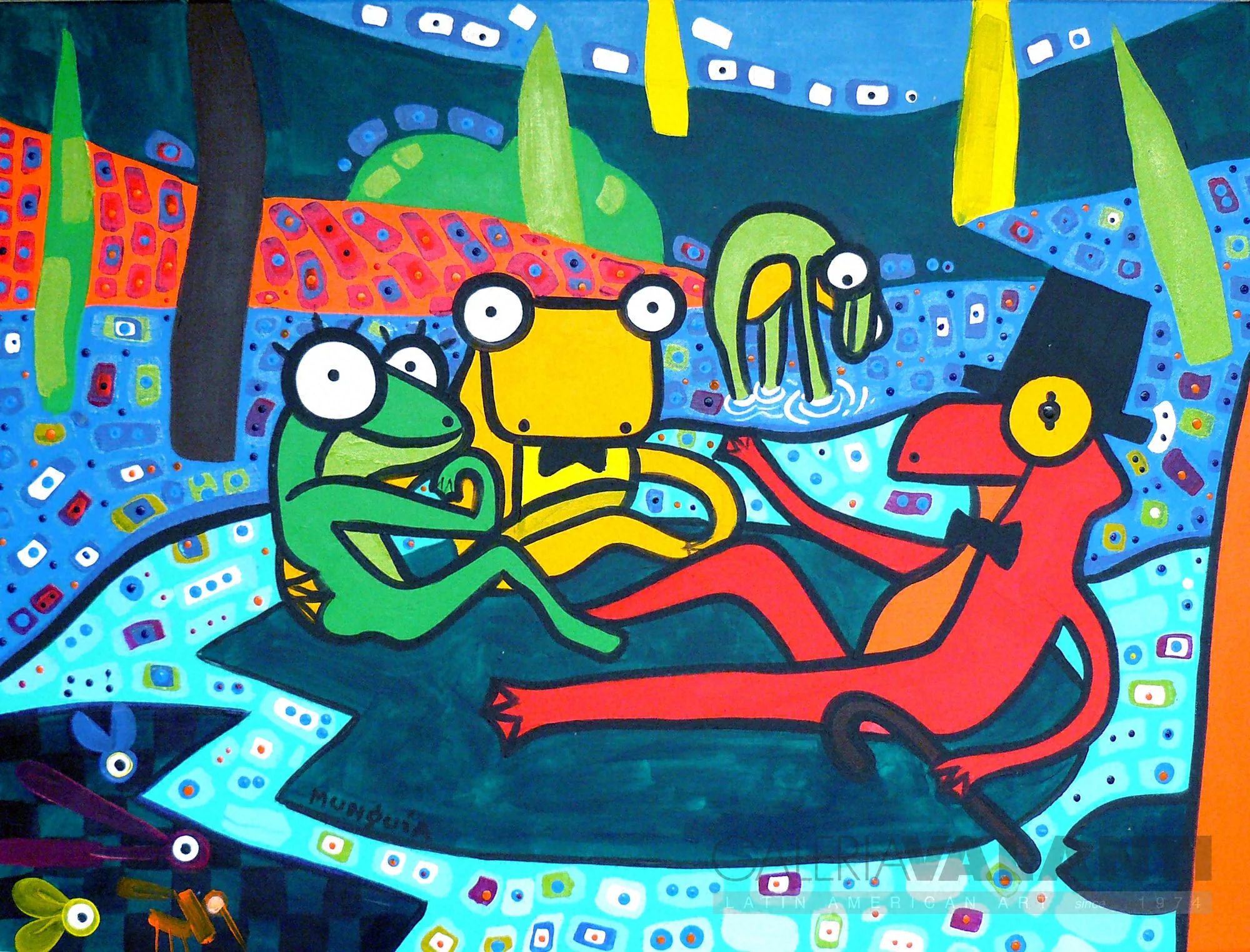
- Ranas de EstanqueInquire about availabilityFrancisco Munguía · 2015
- Pura VidaInquire about availabilityFrancisco Munguía · 2015
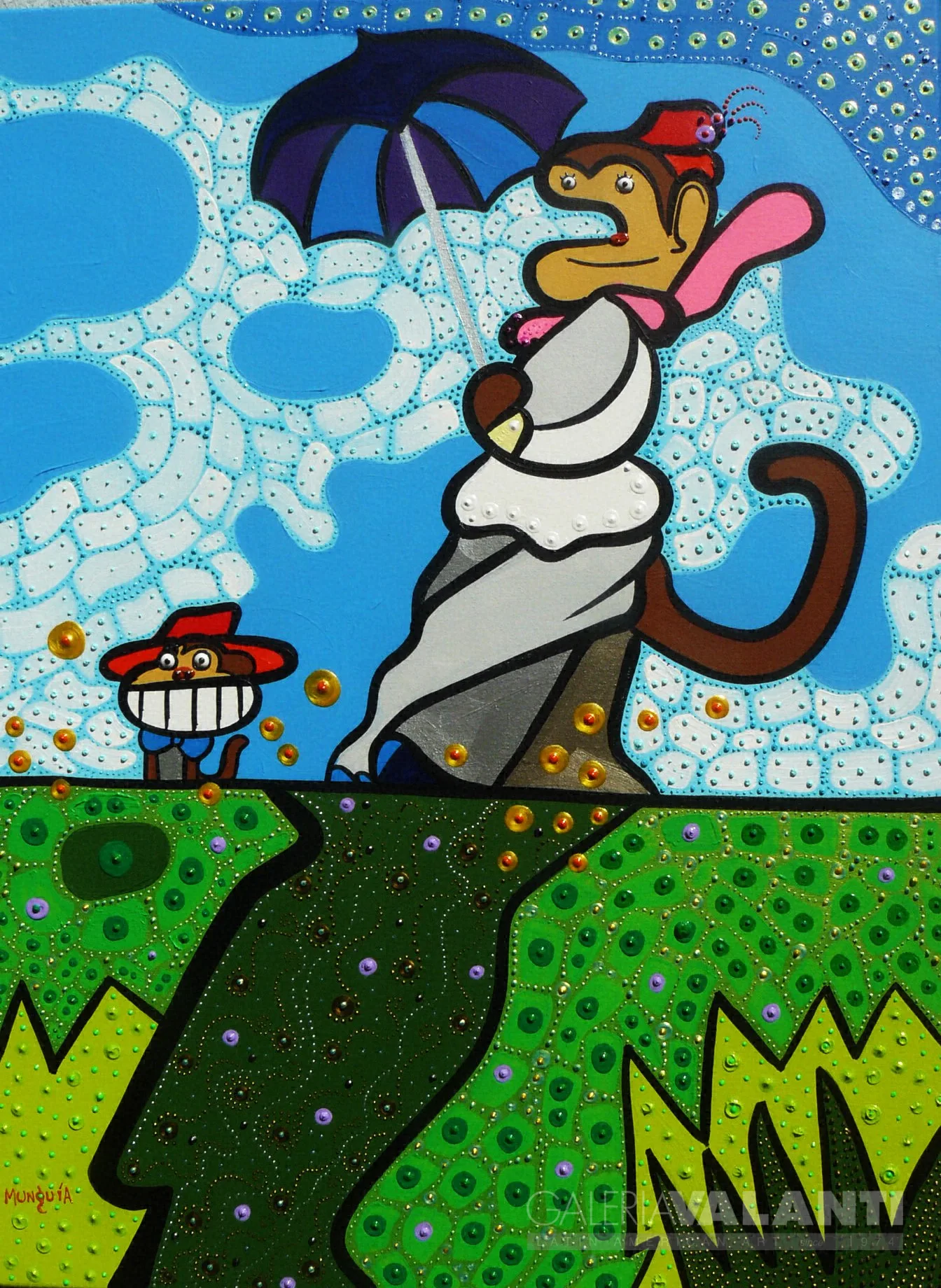
- MonetInquire about availabilityFrancisco Munguía · 2015
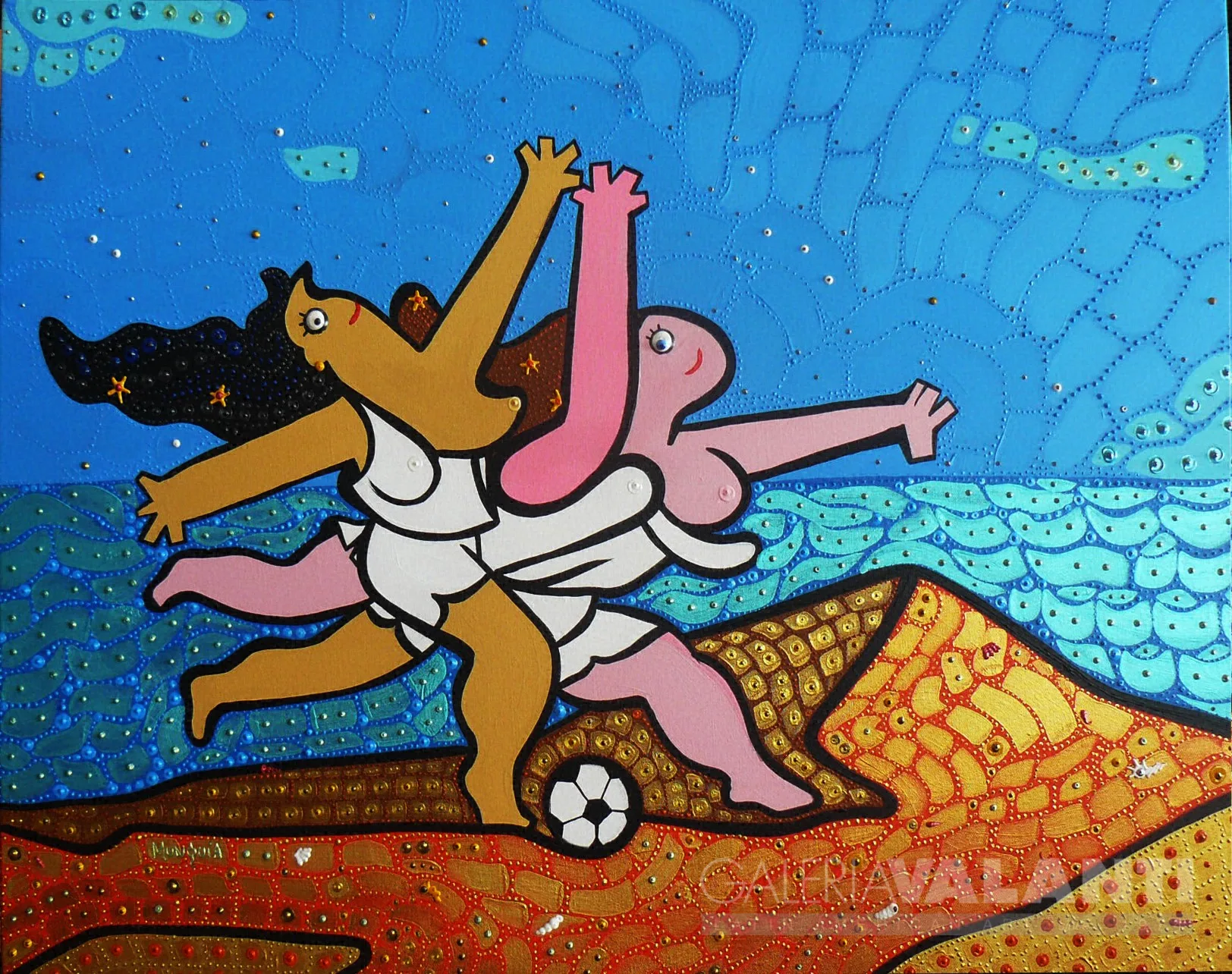
- Mujeres Jugando BolaInquire about availabilityFrancisco Munguía · 2015
- Parodia MáximaInquire about availabilityFrancisco Munguía · 2020
- Son como un hijoInquire about availabilityFrancisco Munguía · 2020
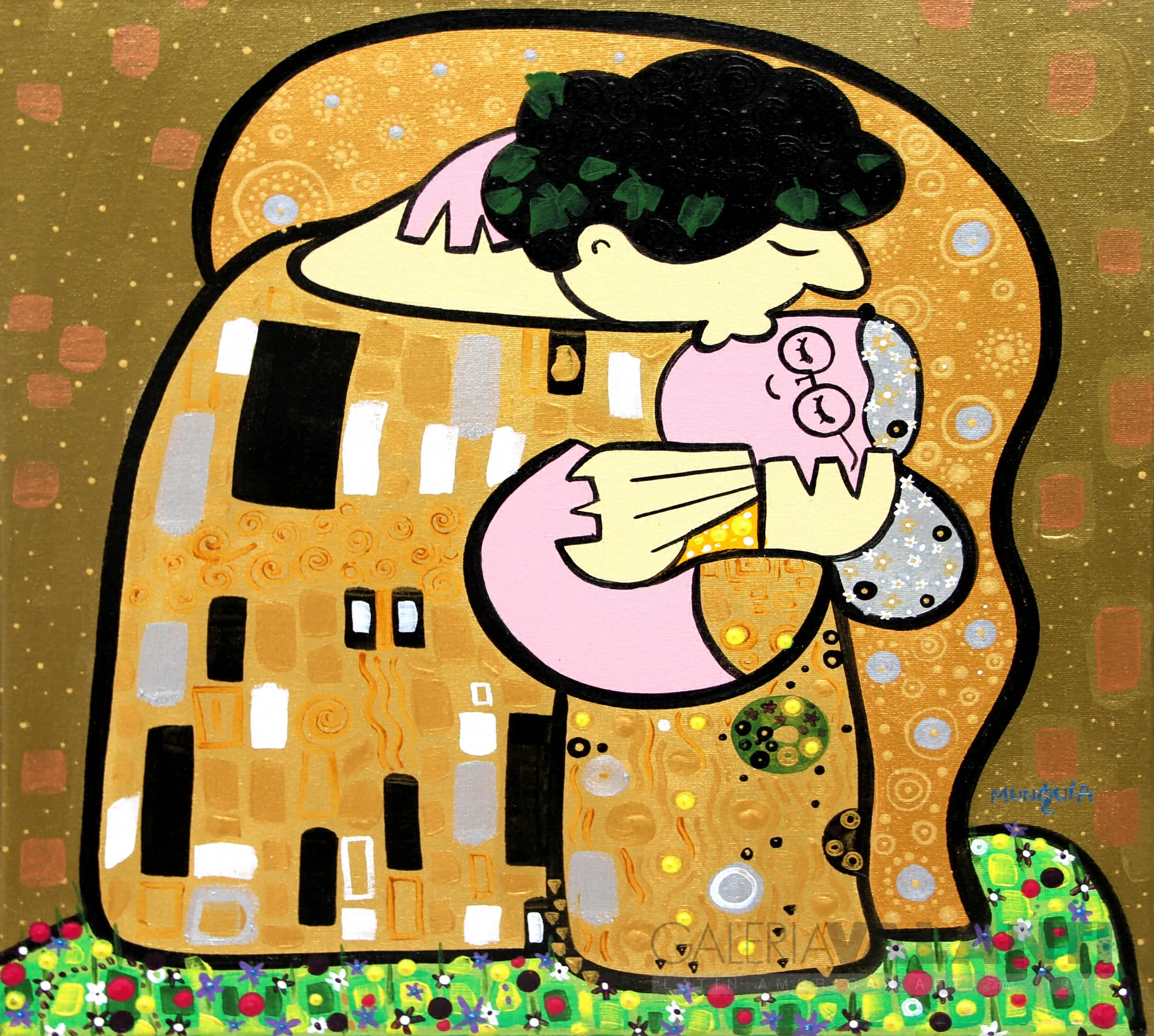
- El Beso de Gustav Klimt "El Beso de la Abuelita"Inquire about availabilityFrancisco Munguía · 2019
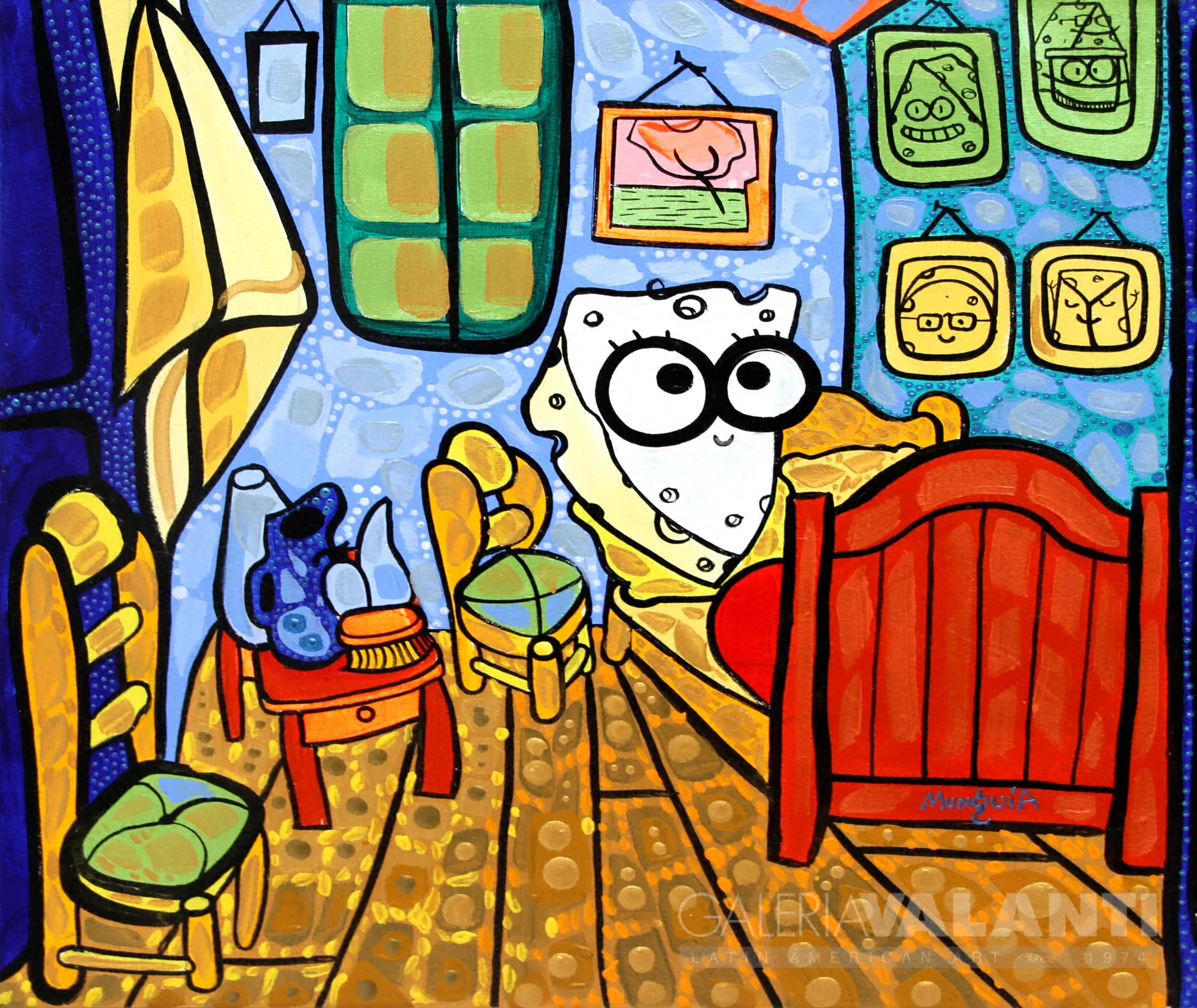
- El Cuarto de Van Gogh "1/4 de queso"Inquire about availabilityFrancisco Munguía · 2019
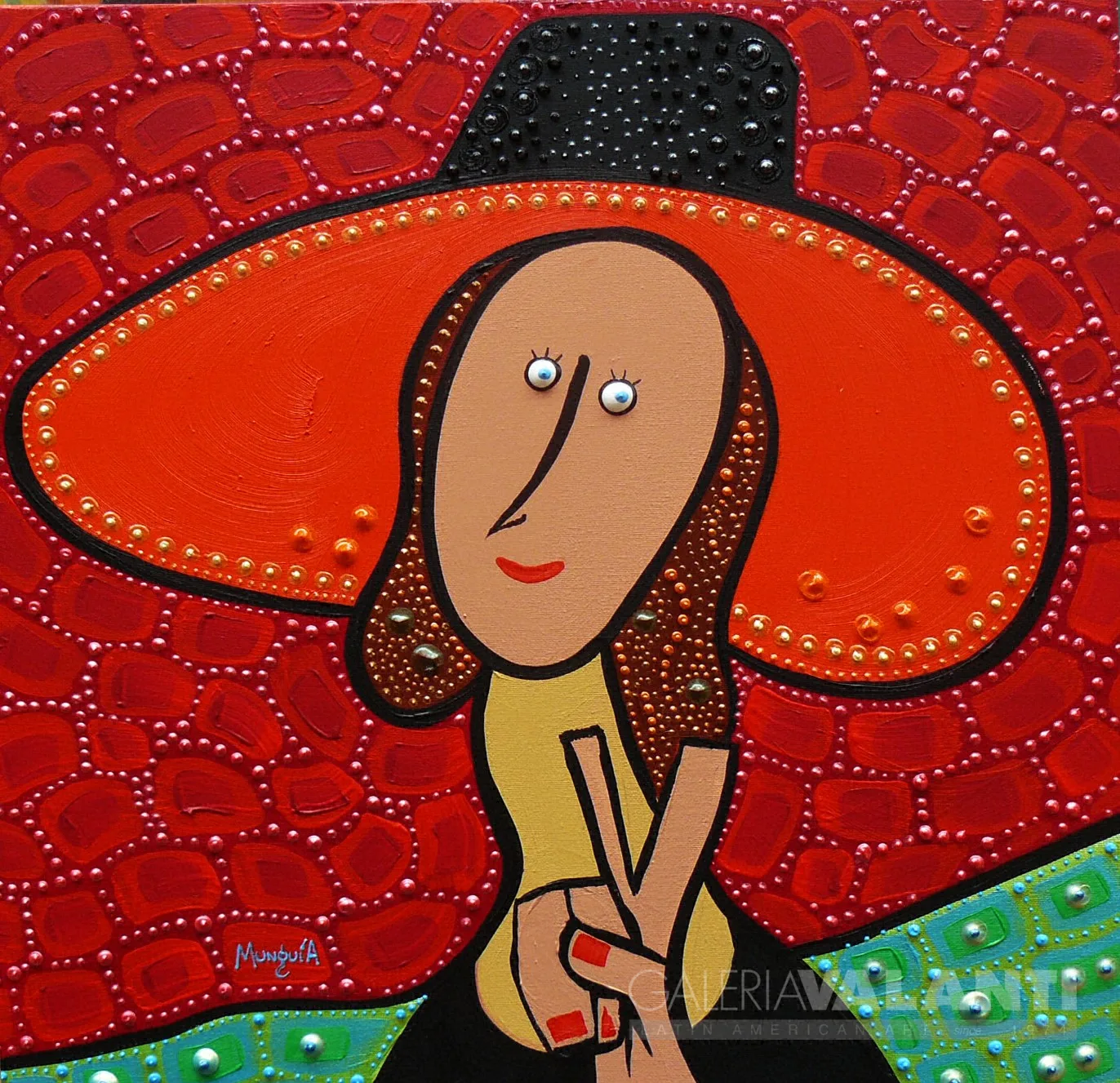
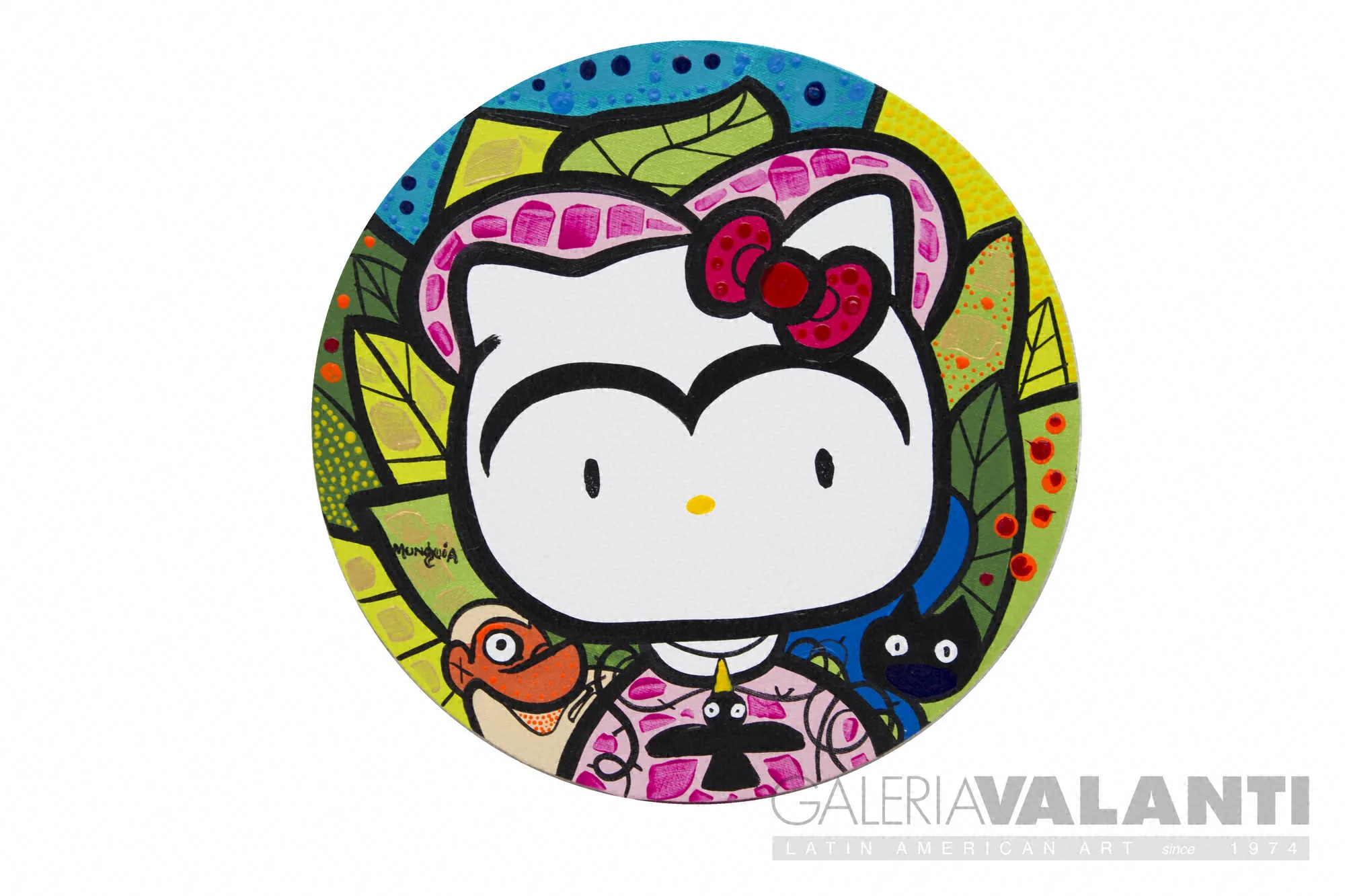
- Hello FridaInquire about availabilityFrancisco Munguía · 2019
Similar works
By subject, palette and style
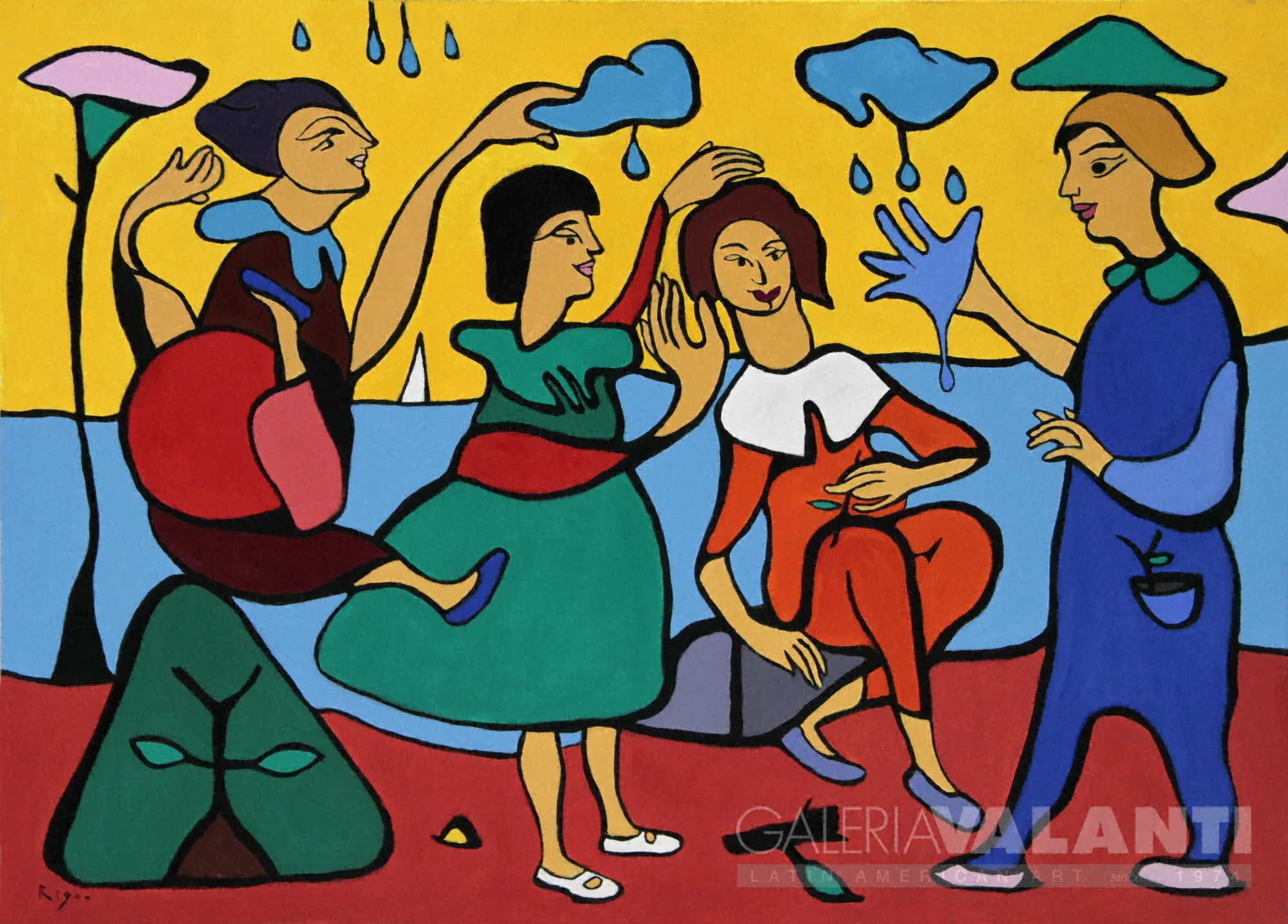
- Tomando la LluviaGabriel Rigo · 2013
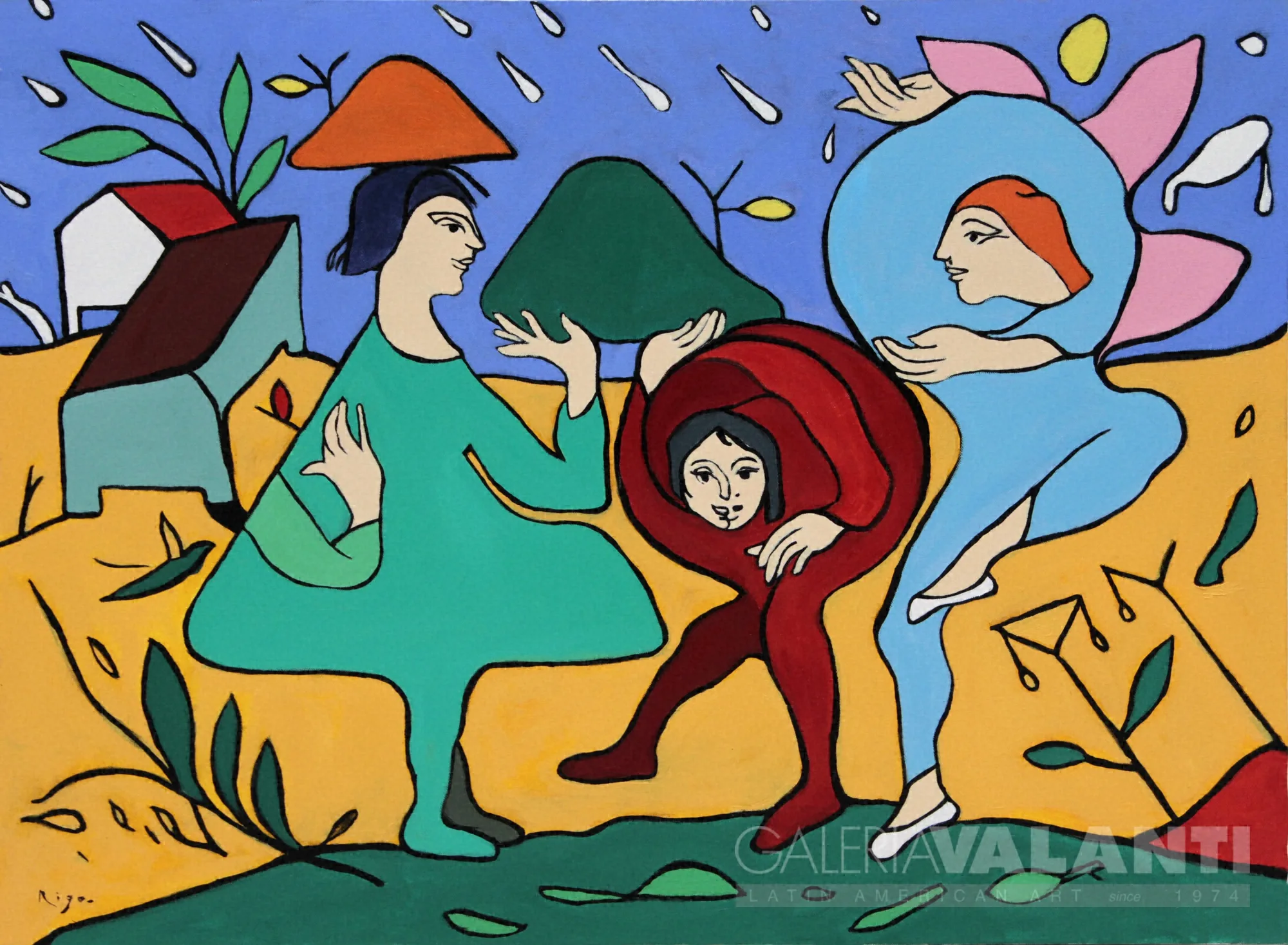
- Personajes de la MontañaGabriel Rigo · 2013
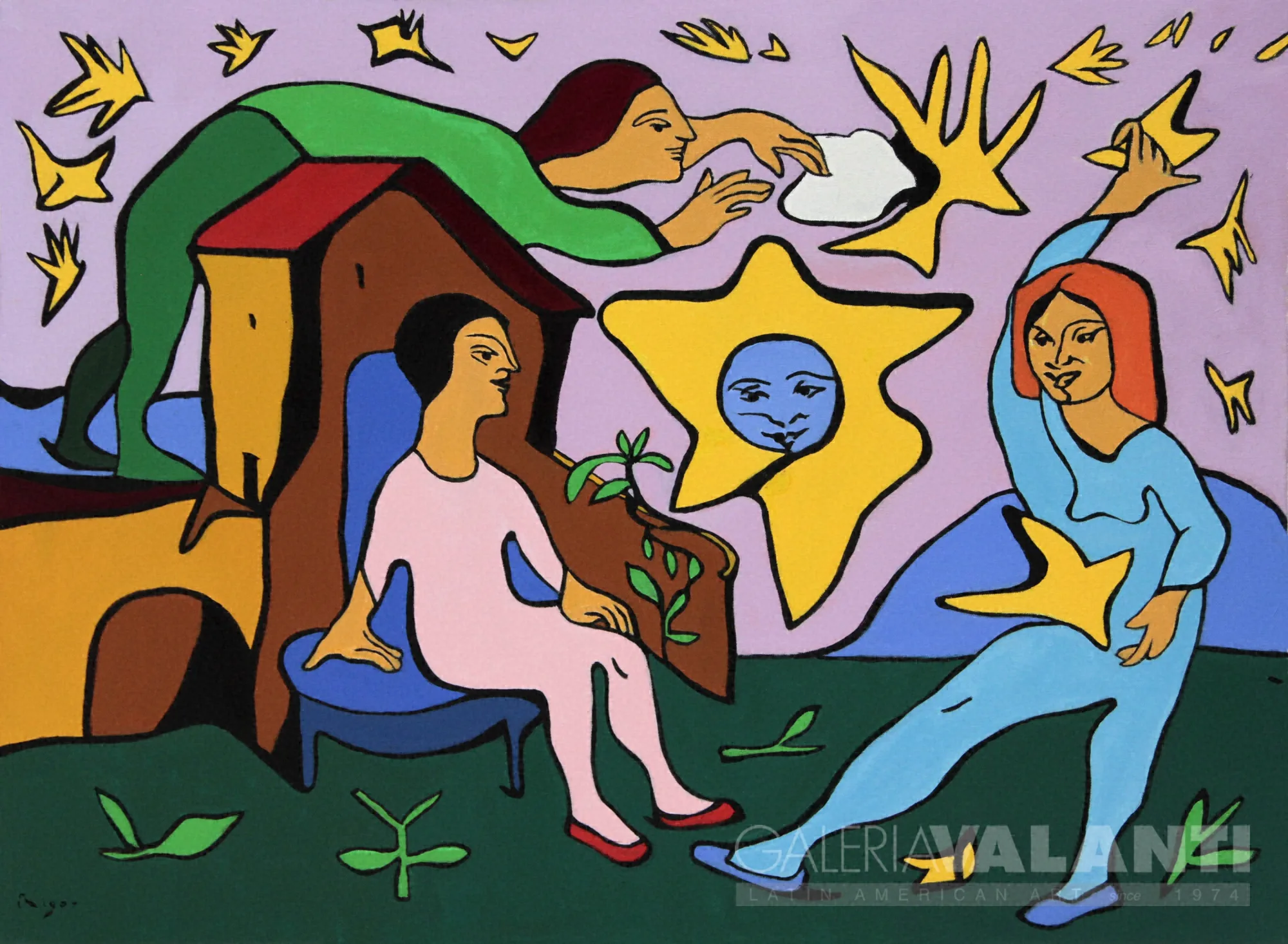
- Acariciando la NubeGabriel Rigo · 2013
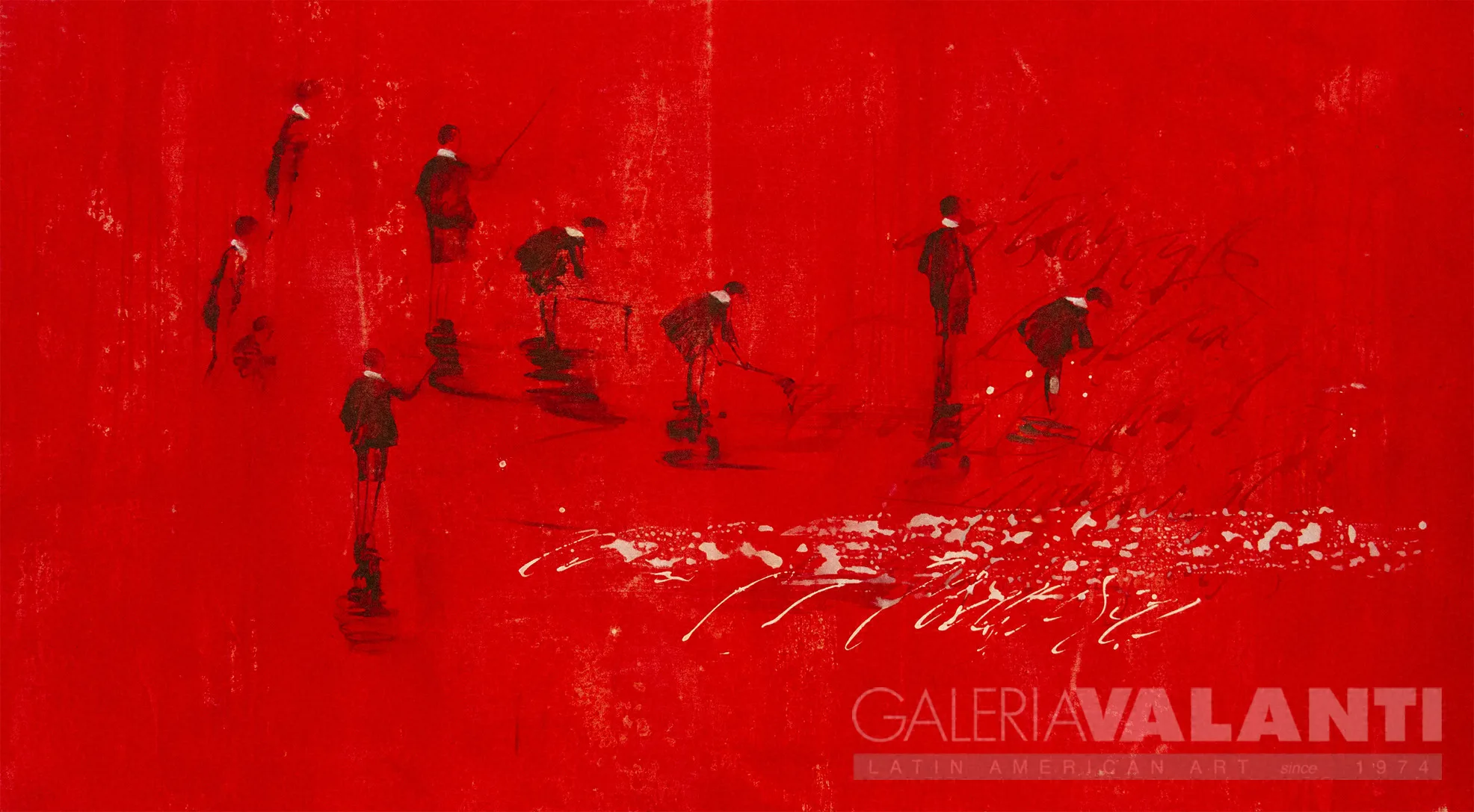
- Niños RojosGuillermo Conte · 2021
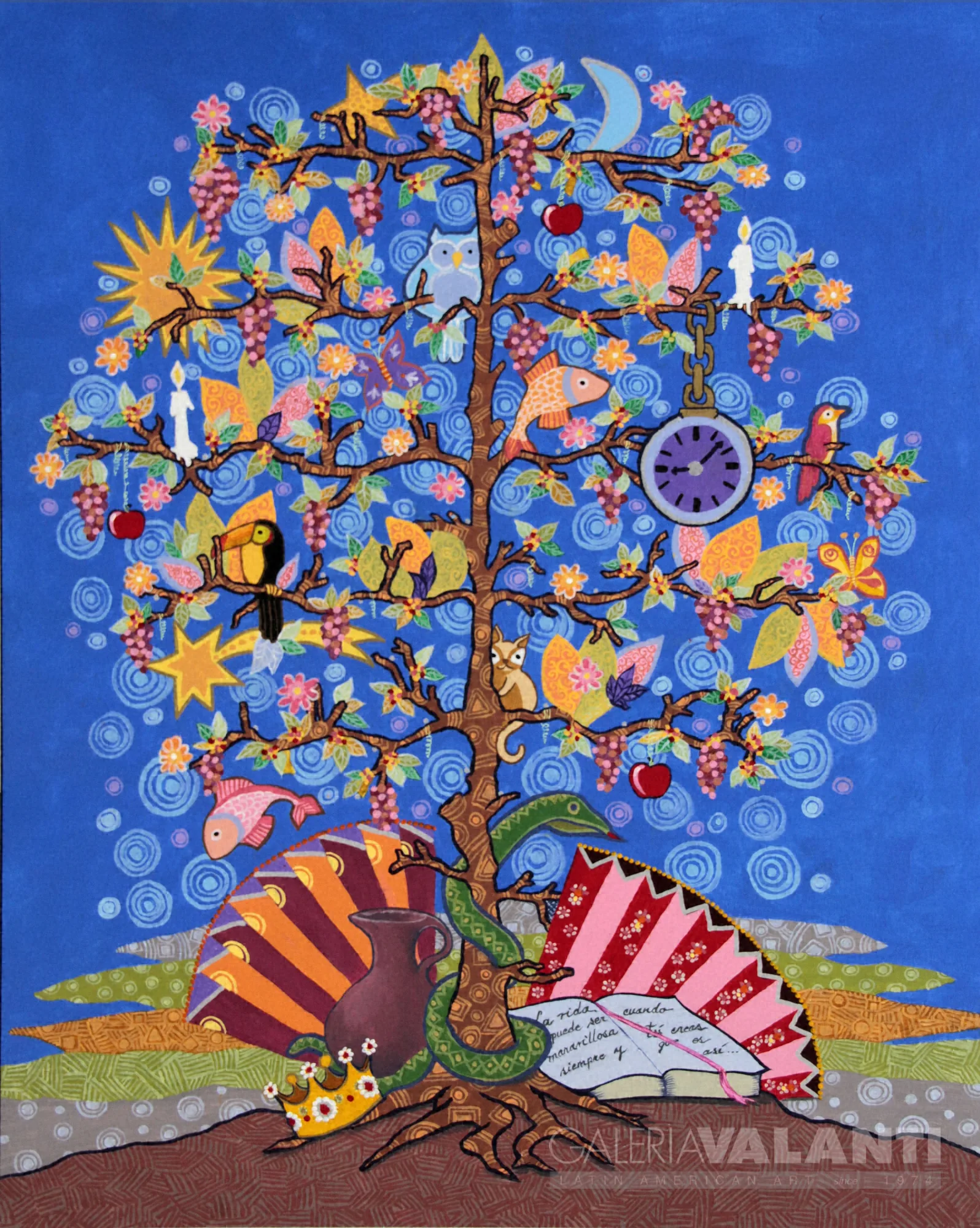
- Arbol de la VidaGustavo Gómez · 2018
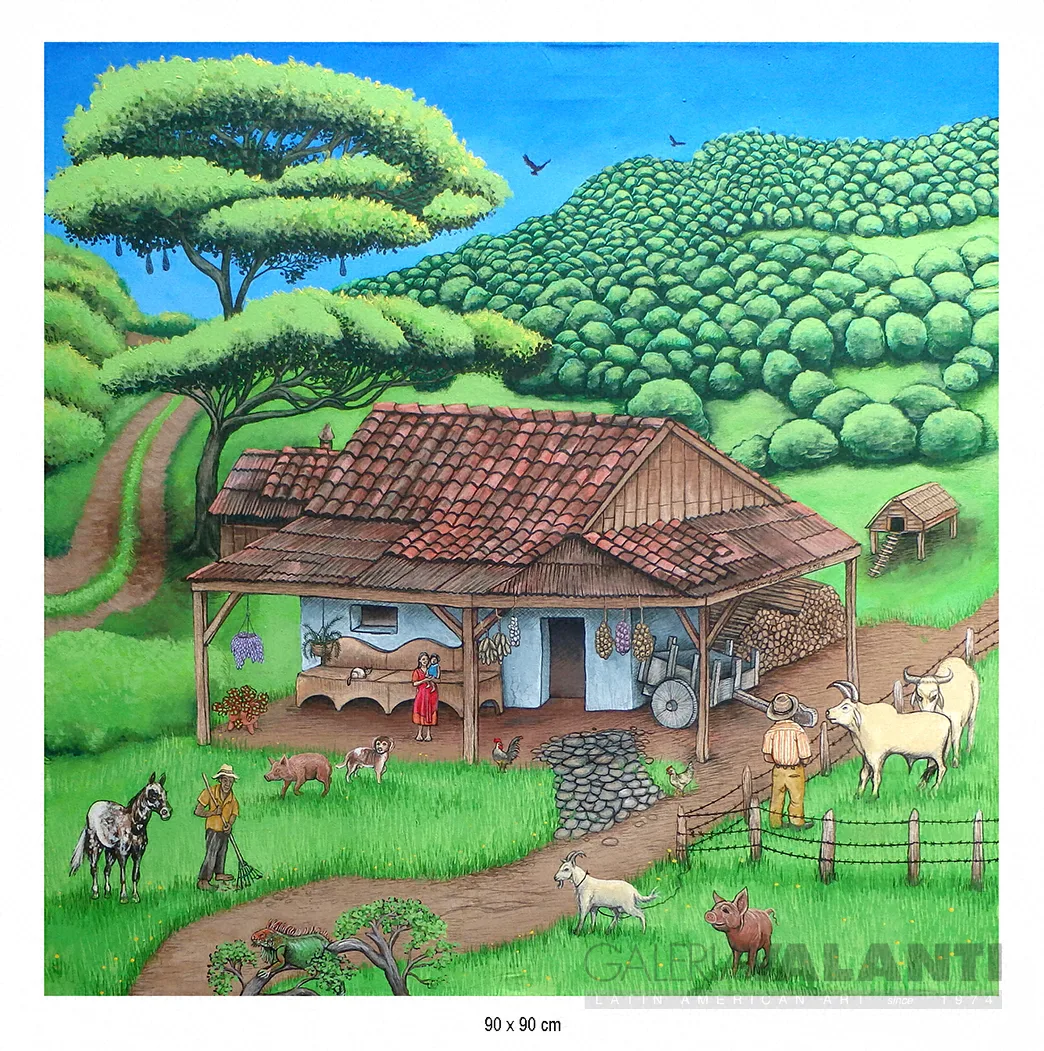
- “Finquita”Inquire about availabilityJosé Alejandro Herrera · 2024
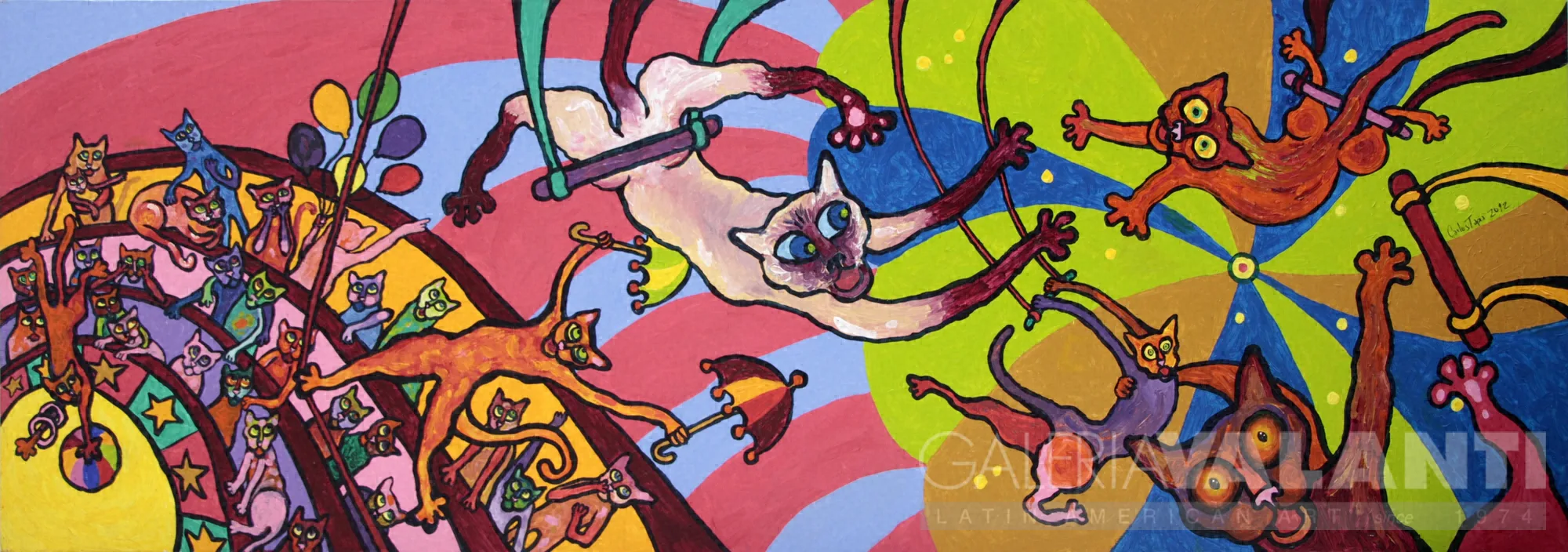
- El Circo de Don RafaSoldCarlos Tapia · 2013
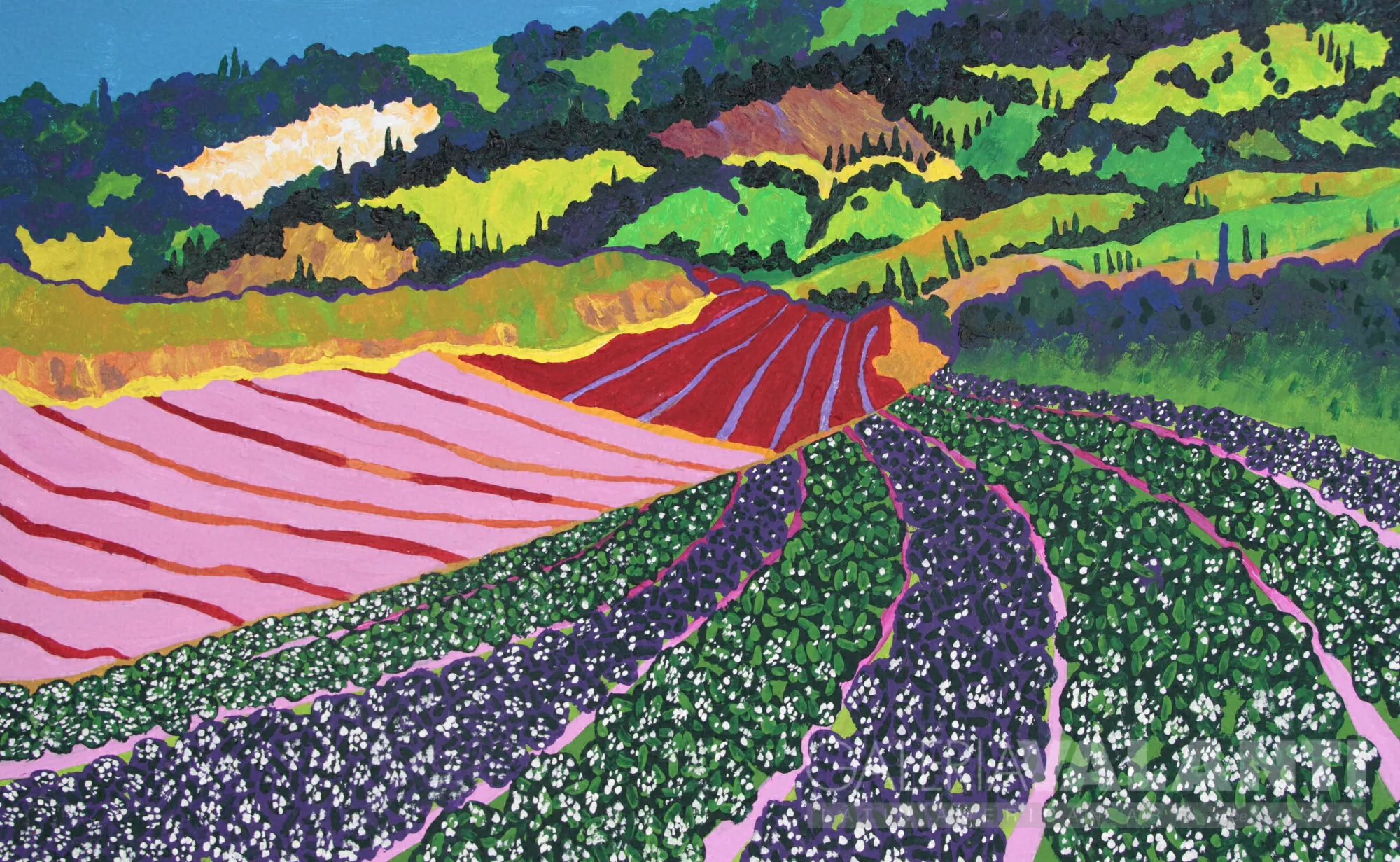
- Tierra BlancaSoldCarlos Tapia · 2017
- El ArmadilloSoldJorge Rojas Alfaro · 2000
- Rayo de LunaSoldCarlos Tapia · 2014
- Carros ChoconesSoldCarlos Tapia · 2007
- Tocando las Puertas del CieloSoldCarlos Tapia · 2014