Teodorico Quirós
- Oil/Canvas
TEODORICO QUIRÓS ALVARADO
A Pioneer of Costa Rican Modern Art and His Interpretation of the Popol Vuh
Read more
TEODORICO QUIRÓS ALVARADO
A Pioneer of Costa Rican Modern Art and His Interpretation of the Popol Vuh
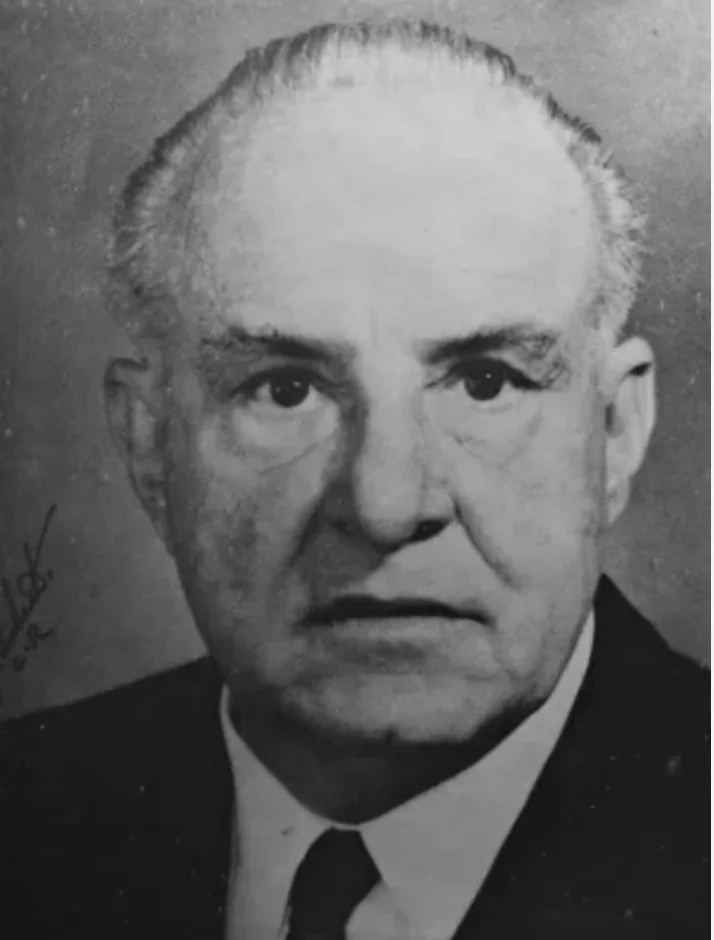
Teodorico Quirós Alvarado (1897–1977), affectionately known as “Quico” Quirós, was one of the most important and influential figures in the history of Costa Rican art. A painter, muralist, architect, educator, and cultural promoter, he played a fundamental role in the development of modern art in Costa Rica and in the creation of a distinctly national visual identity.
Born in San José, Costa Rica, in 1897, Quirós grew up in an environment that encouraged artistic and cultural education. From an early age, he demonstrated a strong interest in drawing and painting. As a young man, he received artistic instruction from important teachers, including Tomás Povedano, Juan Koch, and Enrique Echandi.
In 1916, Quirós traveled to the United States to study architectural engineering at the Massachusetts Institute of Technology (MIT) in Boston. During his years abroad, he became acquainted with modern developments in art, design, and architecture. This experience proved decisive in shaping his visual language and his understanding of the relationship between form, structure, space, and painting.
The Discovery of the Costa Rican Landscape
After returning to Costa Rica in the early 1920s, Quirós began developing the artistic language that would make him one of the principal painters of the Costa Rican landscape.
At a time when much of the country's artistic tradition remained strongly connected to European academic models, Quirós and other artists of his generation began searching for a more authentic visual expression rooted in Costa Rica itself.
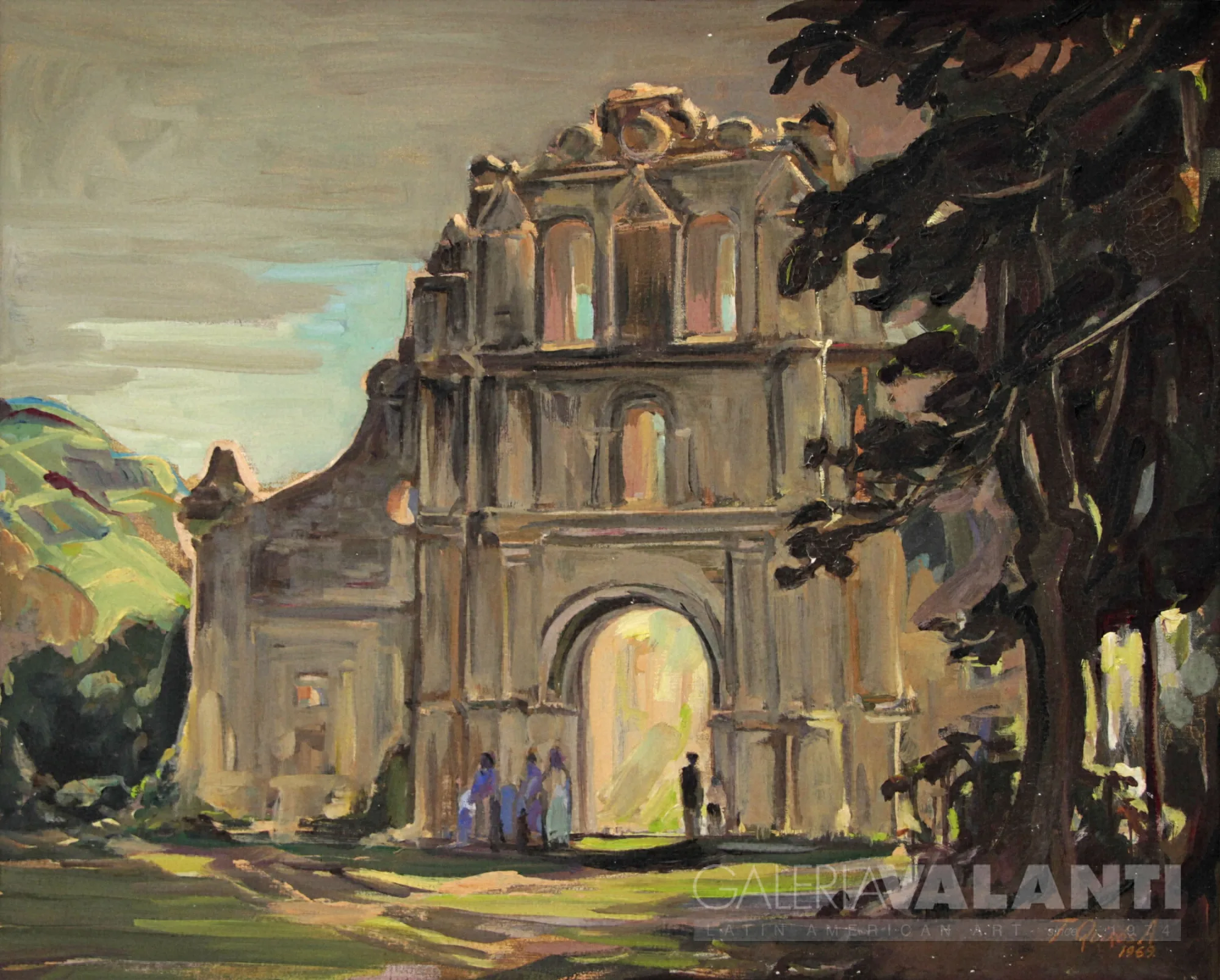
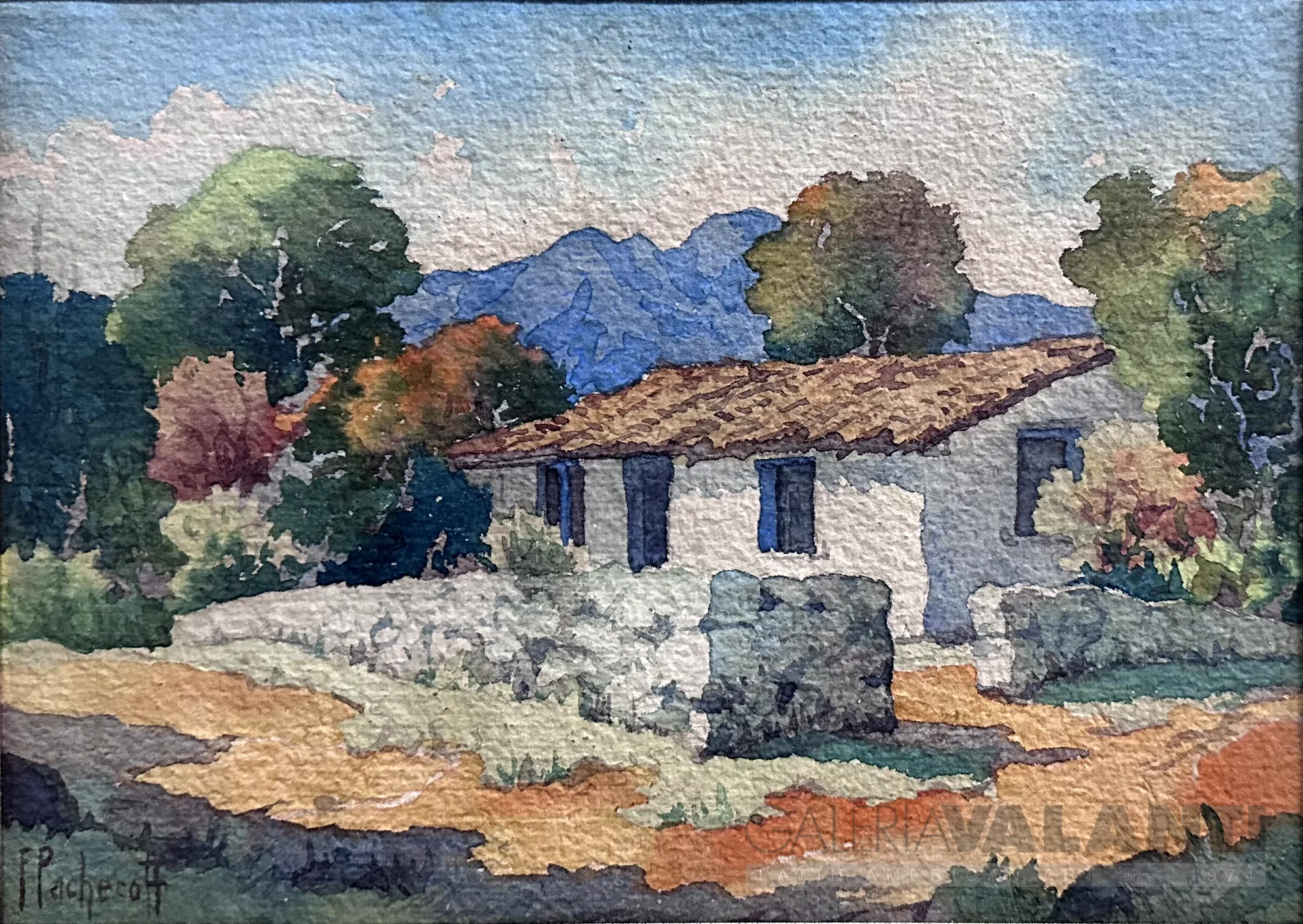
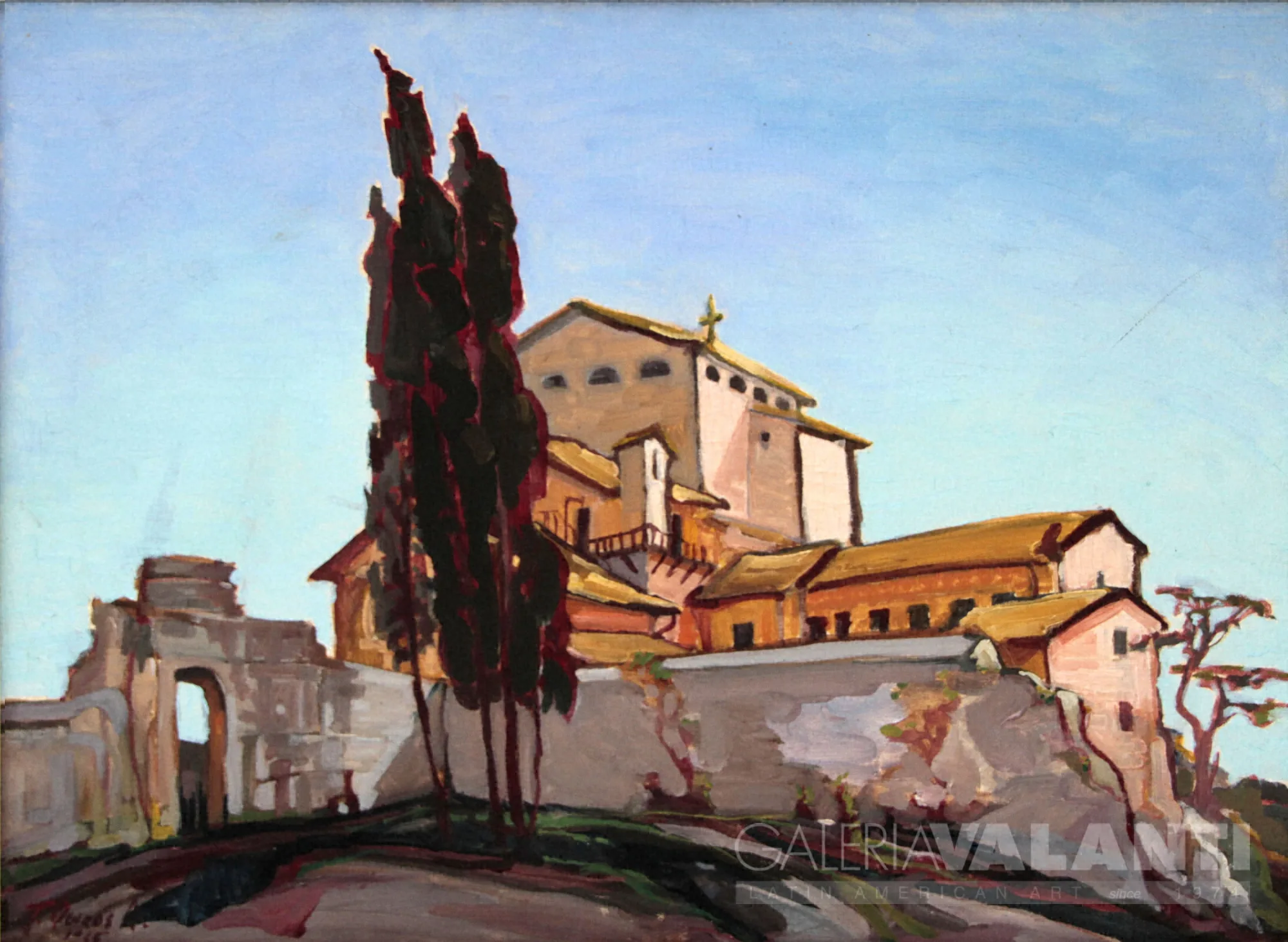
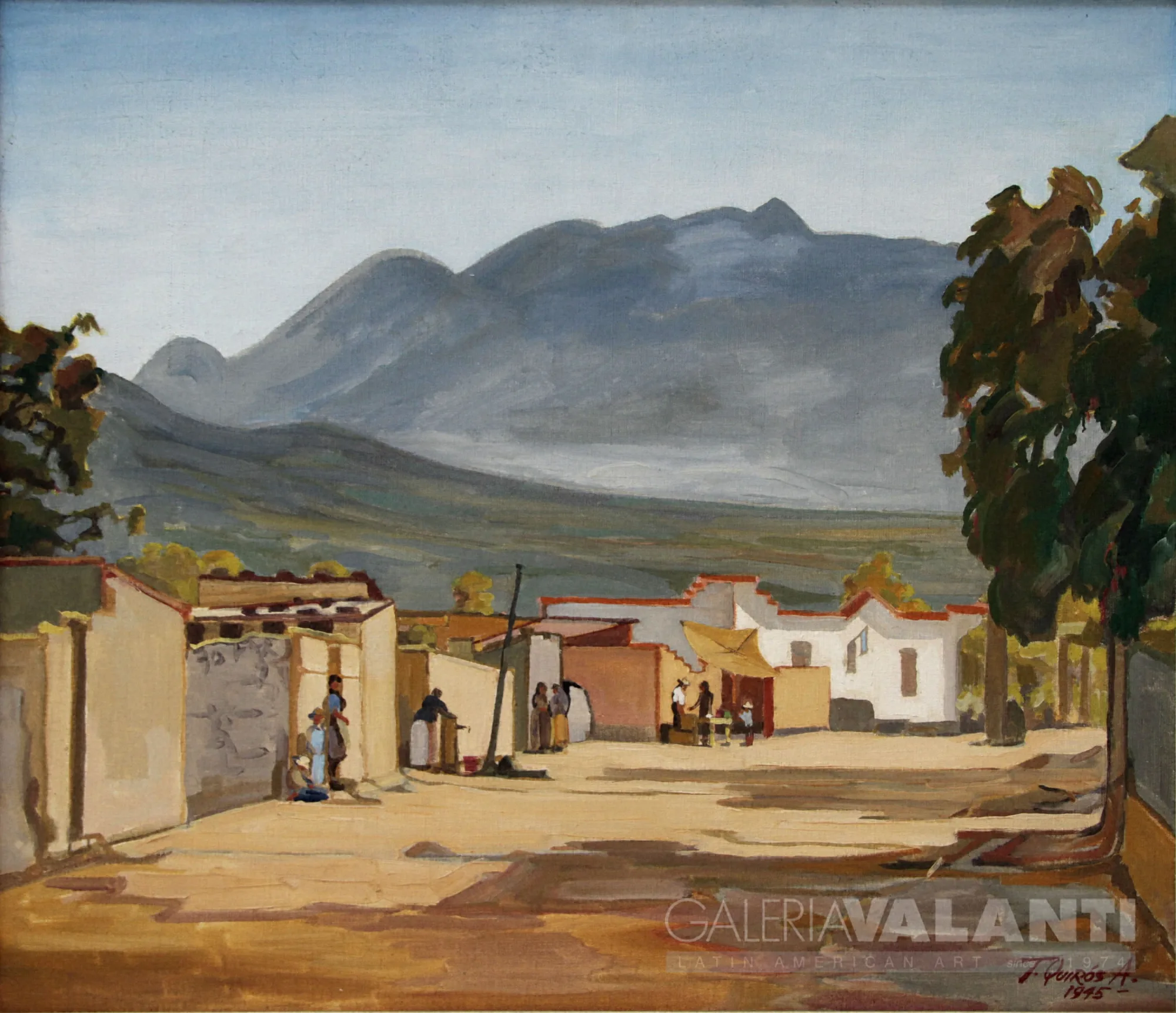
He turned his attention to the landscapes of the Central Valley, the mountains, trees, rural villages, and, above all, the traditional adobe house.
The adobe house became one of the most recognizable symbols in Quirós’s work. With its massive walls, strong geometry, deep shadows, and relationship to the surrounding landscape, it represented much more than a building. Through this humble architectural form, Quirós helped transform the everyday environment of Costa Rica into a central subject of modern art.
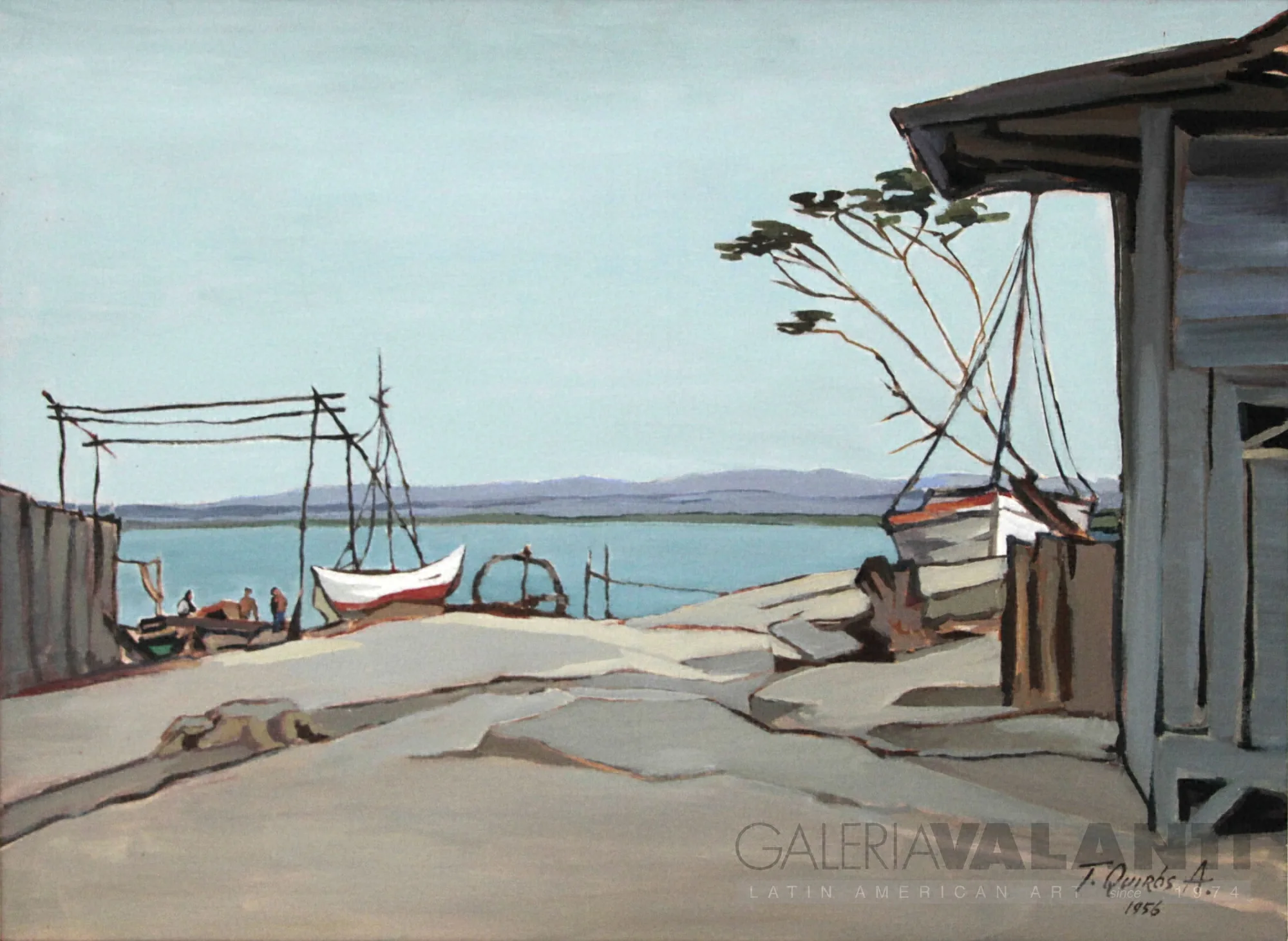
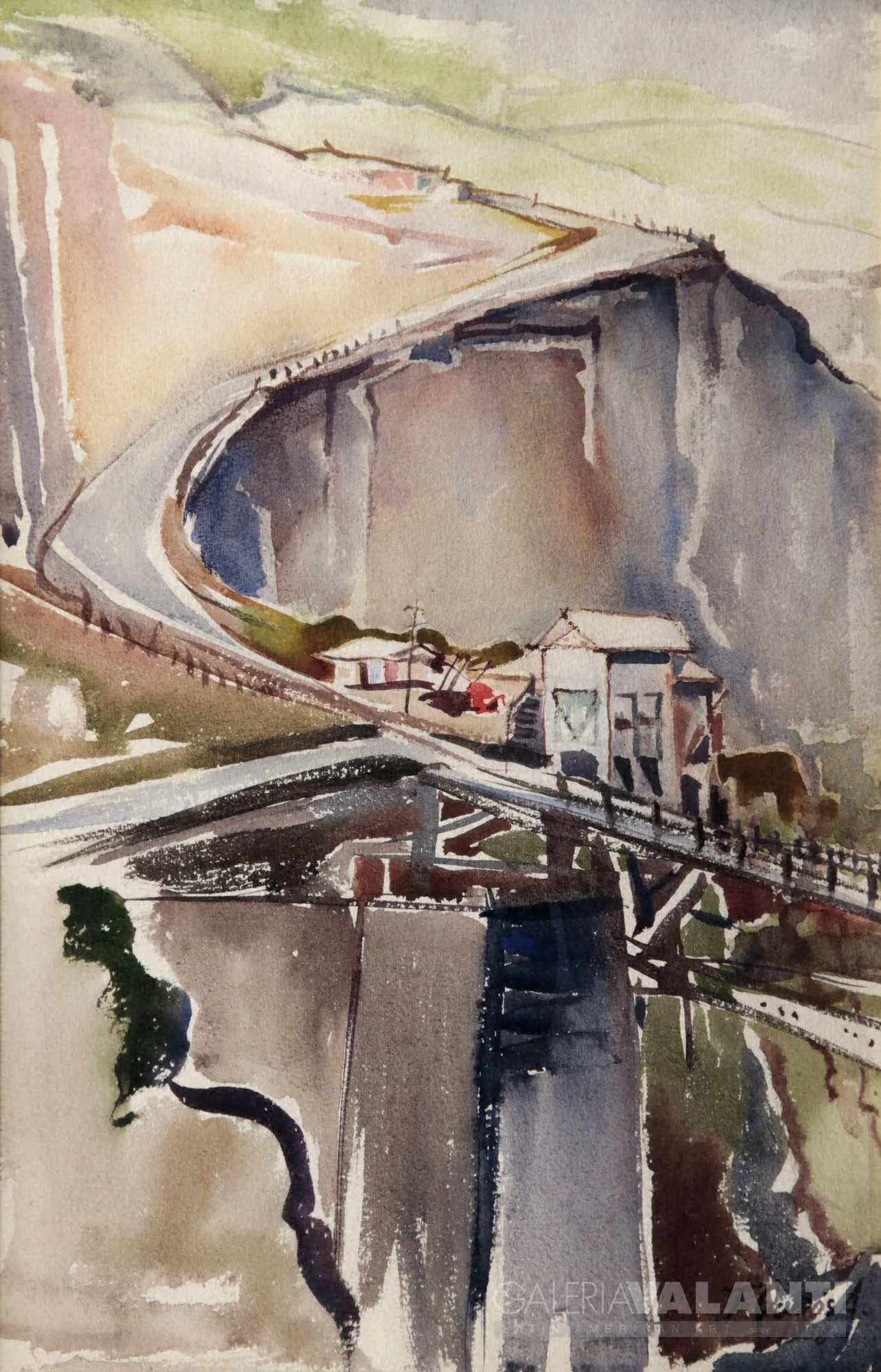
His paintings were characterized by solid structures, carefully organized planes, strong contrasts between light and shadow, and a remarkable sensitivity to the intense tropical light of Costa Rica.
Quirós played a major role in what became known as the New Sensibility, or the nationalist generation of Costa Rican artists. This movement sought to move away from purely European models and to discover artistic subjects within Costa Rican life, landscape, and culture.
In this sense, Teodorico Quirós was not simply a painter of landscapes. He was one of the artists who helped Costa Rica develop a visual language through which to recognize and understand its own environment.
Architect, Educator, and Cultural Promoter
Quirós’s importance extended far beyond painting.
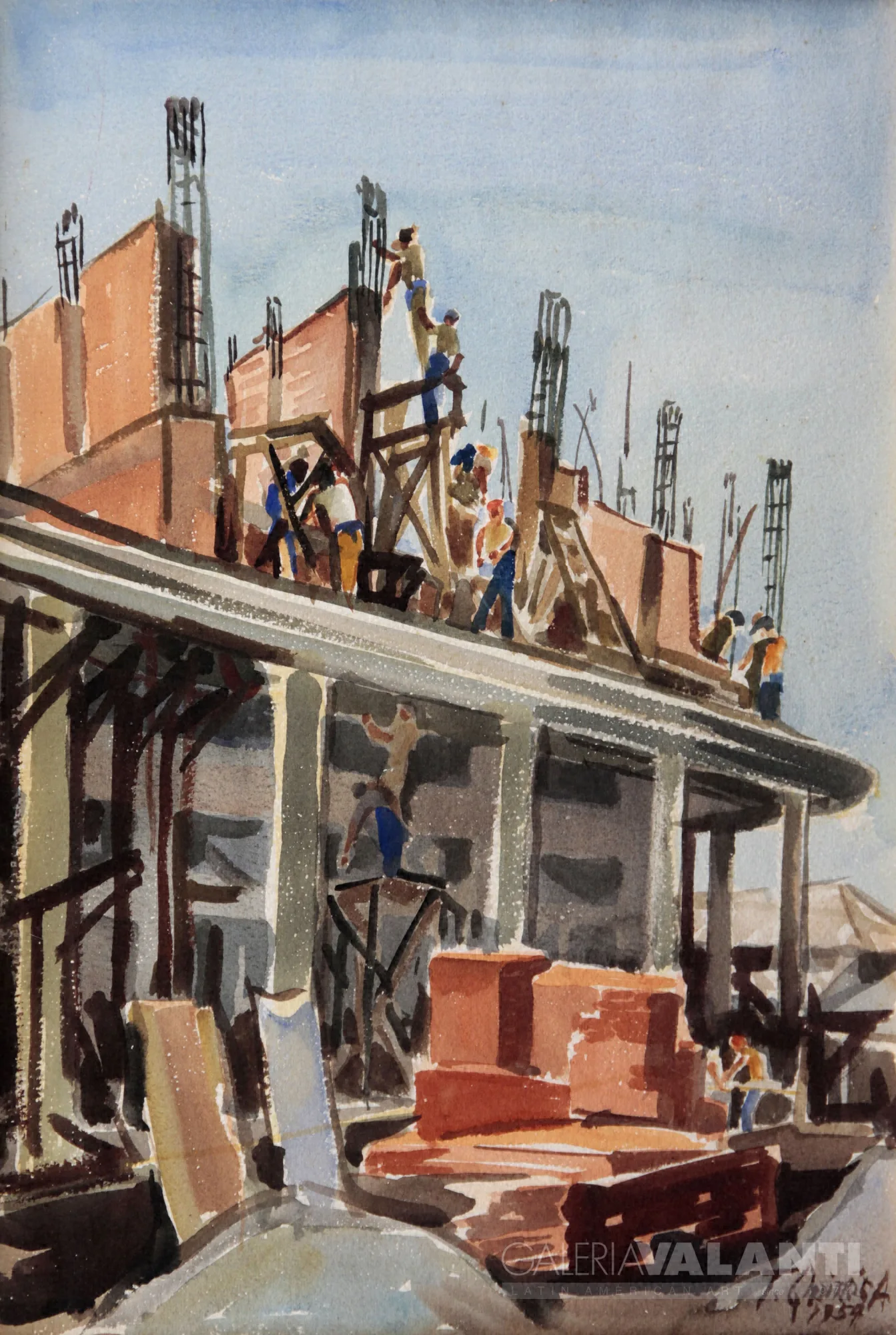
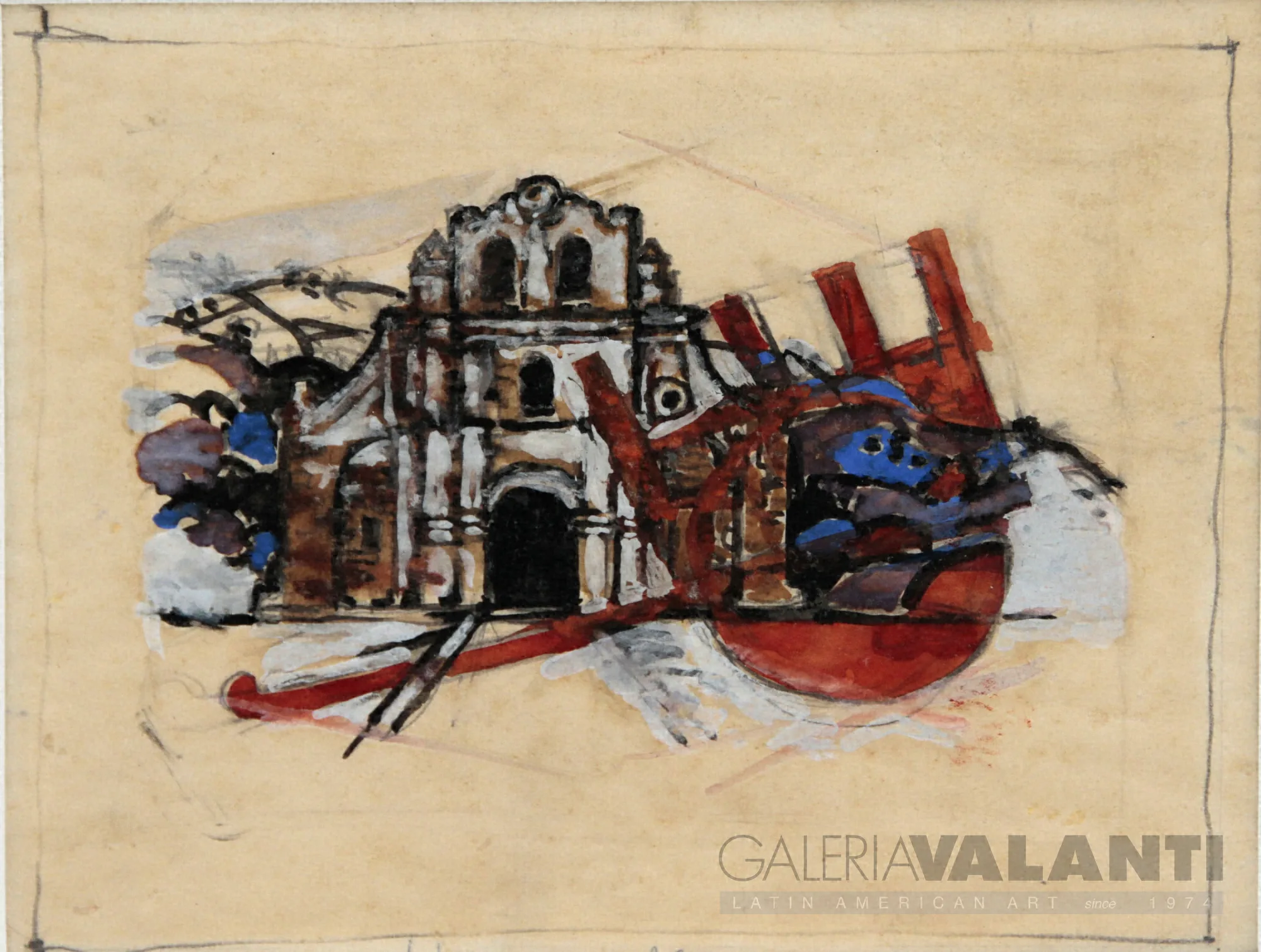
As an architect, he designed numerous public and private buildings and was responsible for several important churches in Costa Rica. He also became an early advocate for the preservation and appreciation of colonial architecture.
His understanding of architecture is clearly visible throughout his paintings. His compositions often possess a strong sense of construction, geometry, volume, and spatial balance. Houses, churches, mountains, and trees are not merely decorative elements; they form carefully structured visual worlds.
Quirós was also deeply involved in the cultural development of Costa Rica. He helped organize important collective exhibitions that gave visibility to a new generation of artists.
The exhibitions associated with the Diario de Costa Rica were particularly significant because they created opportunities for artists working beyond the rigid academic traditions of the period.
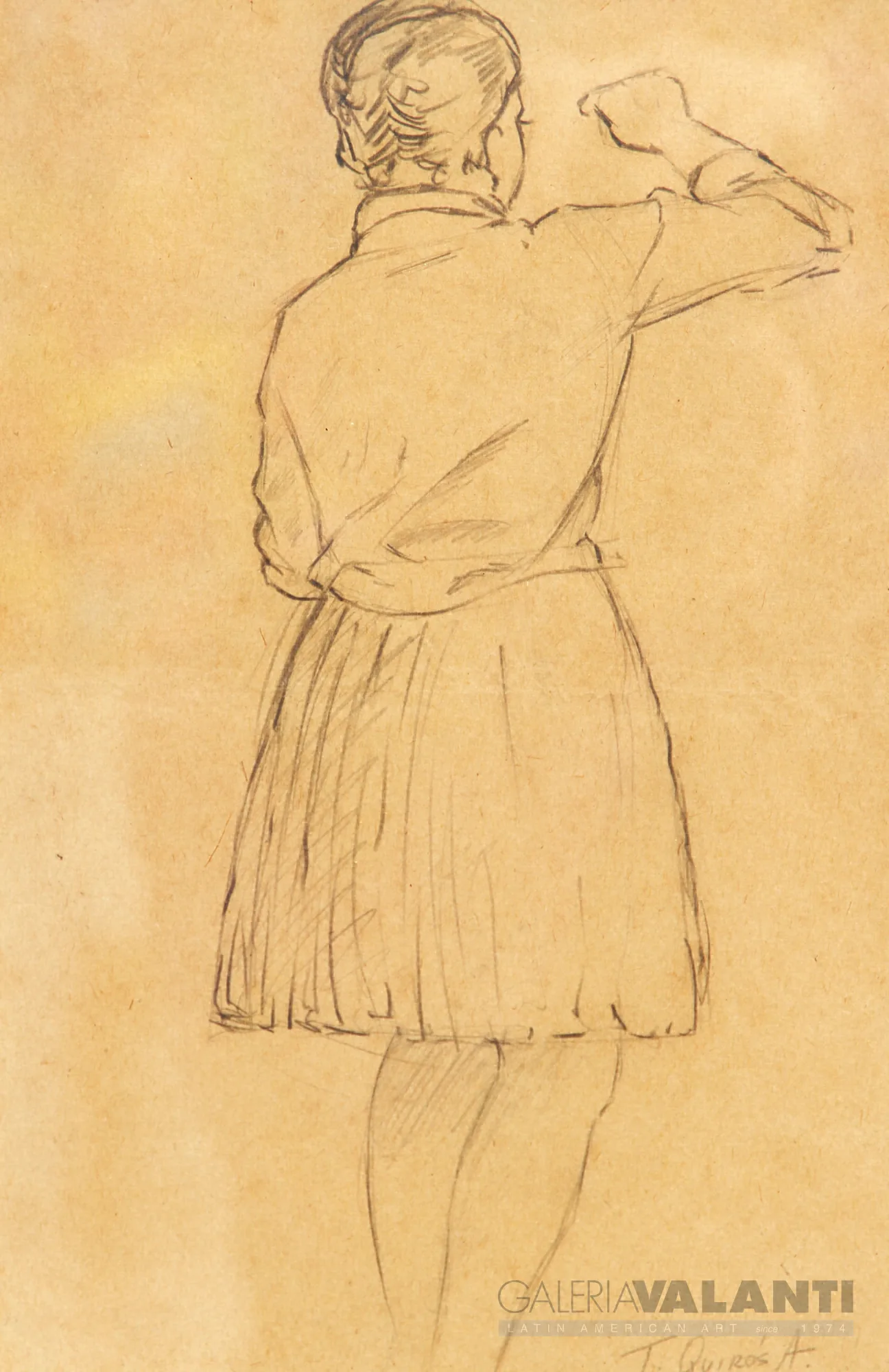
He also served as Dean of the Faculty of Fine Arts at the University of Costa Rica, where he promoted important changes in artistic education, including the study of the human figure and painting directly from nature.
Through his work as a teacher, organizer, architect, and painter, Quirós became one of the great builders of modern Costa Rican culture.
From Landscape to Expressionism
Although Teodorico Quirós is most widely recognized for his luminous and powerful landscapes, his artistic career was much broader and more complex.
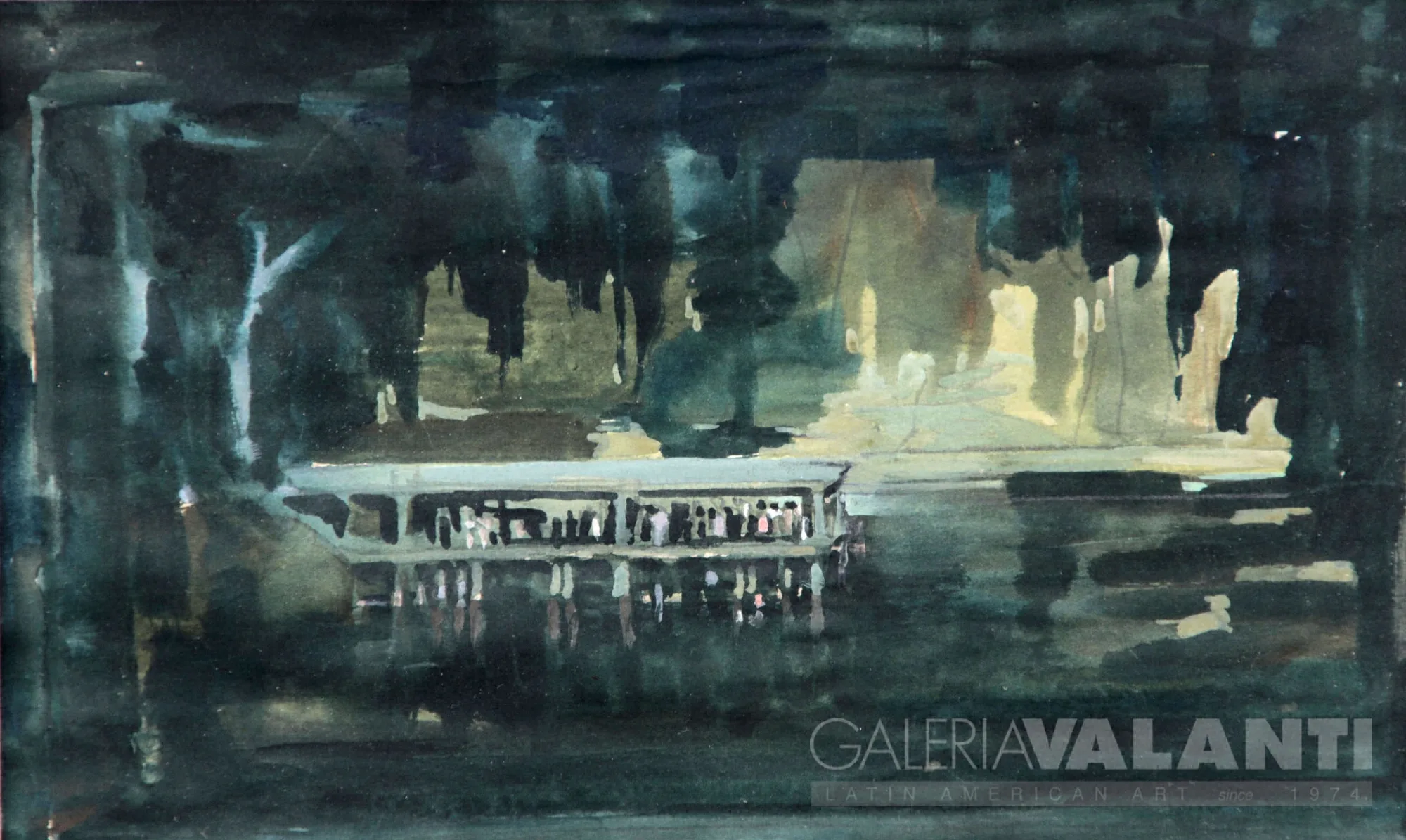
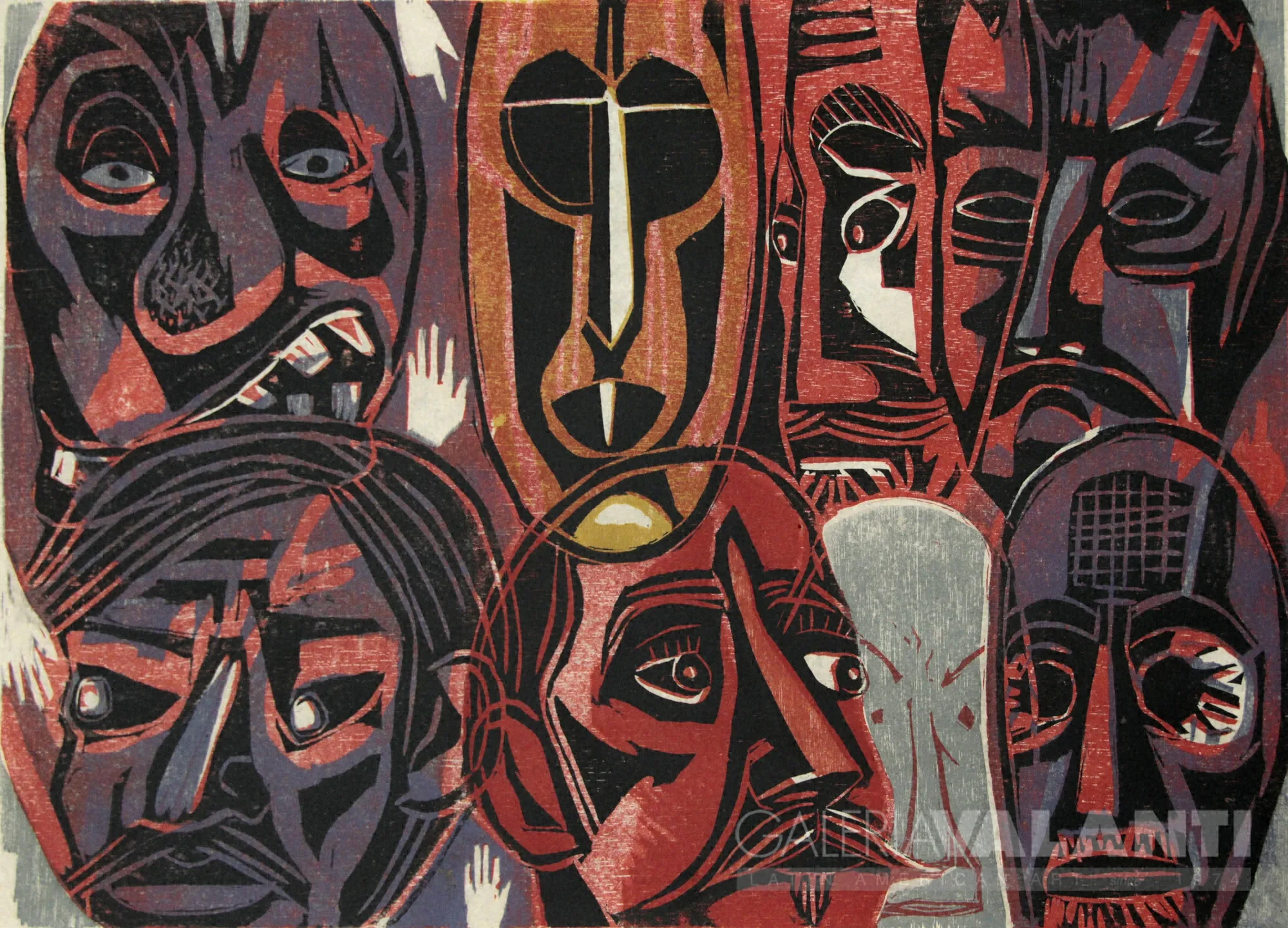
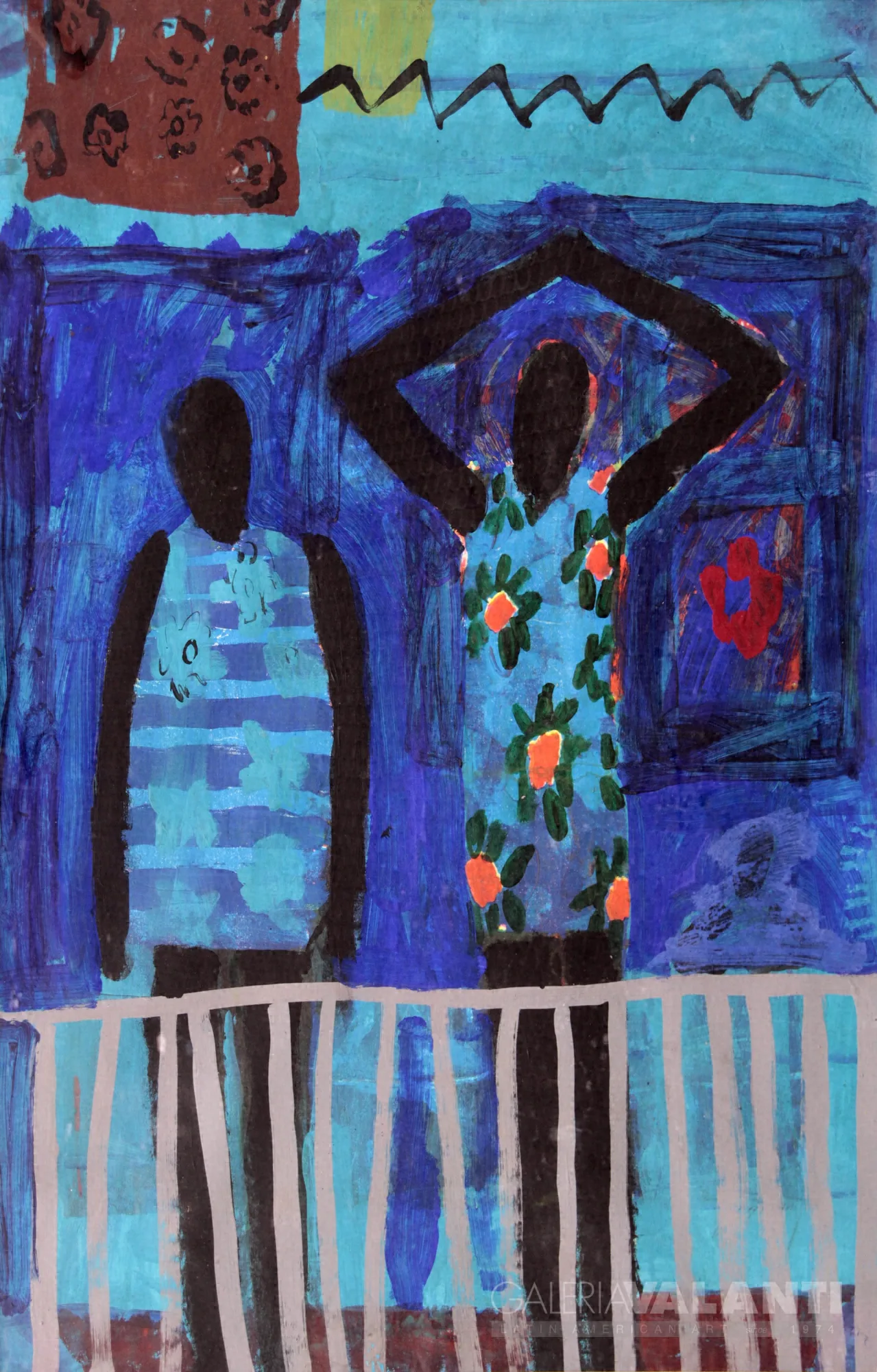
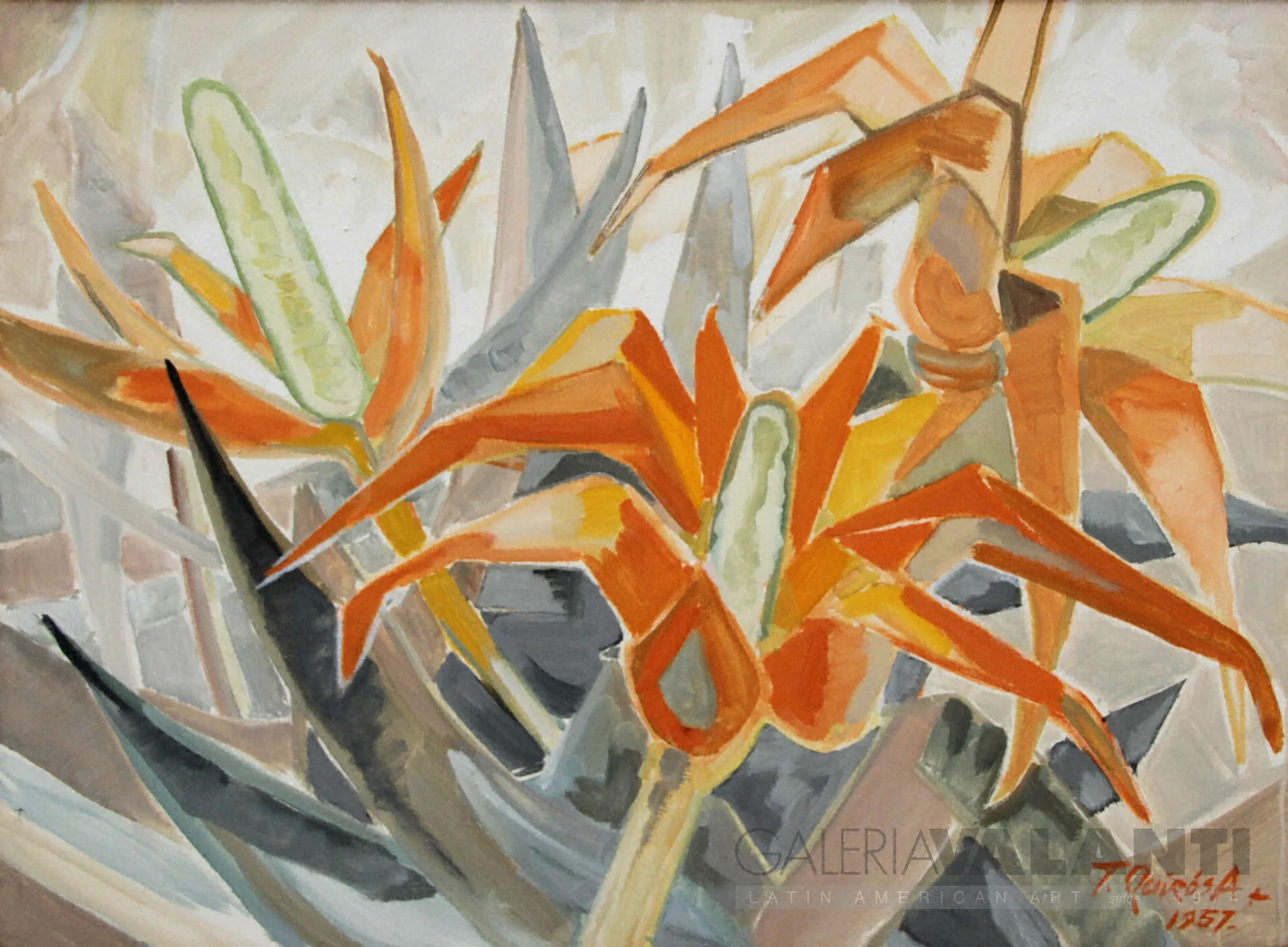
Over time, his work evolved. In his later years, his paintings increasingly explored stronger color, more vigorous brushwork, and a greater emotional intensity. His relationship with the landscape remained important, but the painting itself became more expressive.
In these later works, the calm balance of his earlier landscapes often gave way to darker atmospheres, stronger contrasts, vigorous paint, and a more dramatic emotional intensity.
It was within this period of artistic transformation that Quirós produced one of the most remarkable and unusual bodies of work of his career: his interpretation of the Popol Vuh.
Teodorico Quirós and the Popol Vuh
The Popol Vuh is one of the most important surviving texts of the Maya world. It contains the sacred narratives, mythology, cosmology, creation stories, genealogies, and heroic traditions of the K’iche’ Maya of Guatemala.
Its stories address the creation of the world, the formation of humanity, the relationship between human beings and the divine, and the adventures of the Hero Twins in the underworld.
For an artist such as Teodorico Quirós, the Popol Vuh offered a profoundly different visual universe from the Costa Rican rural landscape that had dominated much of his earlier career.
It allowed him to enter the world of myth.
During the later stages of his artistic career, Quirós developed works inspired by indigenous themes and by the symbolic and mythological universe of the Popol Vuh. These works represented a significant departure from his better-known landscapes.
Rather than representing the visible reality of a Costa Rican village, an adobe house, or a mountain, Quirós was now confronting universal and mythological subjects:
the origins of humanity;
• mythological figures;
• ancient gods and supernatural forces;
• creation and transformation;
life and death;
the relationship between the human and the divine.
The Popol Vuh therefore allowed Quirós to move from the physical landscape into a mythological and spiritual landscape.
The Popol Vuh Mural and the Collection of Sixteen Watercolors
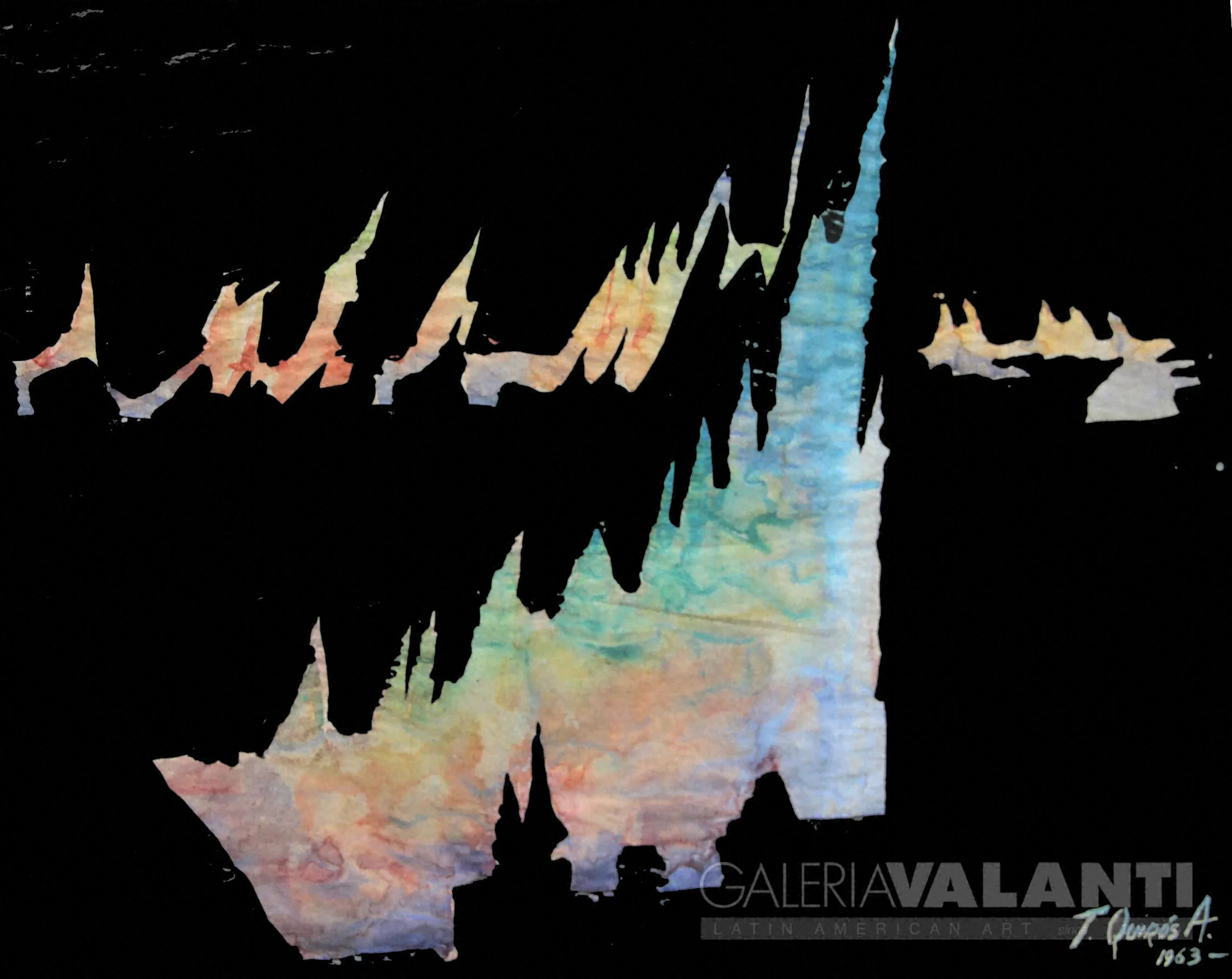
One of the most significant aspects of Teodorico Quirós’s engagement with the Popol Vuh is the remarkable collection of sixteen watercolors he created in connection with the creative and conceptual development of his monumental interpretation of this ancient Mesoamerican narrative.
These sixteen watercolors offer a rare and exceptional opportunity to follow the artist’s creative process. Rather than representing a single isolated study, the group forms a coherent body of work that reveals the development of Quirós’s visual ideas as he explored the complex symbolic world of the Popol Vuh.
Through watercolor, Quirós explored essential aspects of this mythological universe: creation, transformation, ancestral figures, supernatural forces, and the relationship between humanity and the divine. The medium allowed him to investigate composition, gesture, movement, atmosphere, spatial relationships, and the expressive possibilities of color.
Each watercolor may be appreciated as an independent work of art. Yet, when viewed together, the collection of sixteen works acquires an additional historical and artistic significance. As a group, they form a visual record of the artist’s creative journey and provide insight into the development of one of the most ambitious and unusual projects of Teodorico Quirós’s career.
These works are therefore significant not only because of their individual artistic merit, but also because of their relationship to the development of the artist’s monumental Popol Vuh project.
The watercolors allow us to observe Quirós thinking through images. They preserve the moment when ideas were still evolving—when compositions could be reconsidered, figures transformed, and visual solutions explored.
A Costa Rican Artist Interpreting a Mesoamerican World
Quirós’s engagement with the Popol Vuh is especially significant because it reveals the broader intellectual and artistic curiosity of an artist who had often been associated primarily with Costa Rican nationalism and the local landscape.
His interpretation of the Popol Vuh represented an engagement with the wider cultural history of the Americas and with the indigenous civilizations of Mesoamerica.
This was particularly significant during a period when many Latin American artists were searching for artistic languages rooted in the history and cultures of the American continent rather than exclusively in European traditions.
Quirós did not attempt to create an archaeological reconstruction of the ancient Maya world.
Instead, he approached the Popol Vuh as an artist.
His work was a personal and expressive interpretation—a translation of mythology into his own visual language.
The watercolors are particularly important in this context. They reveal how Quirós absorbed a literary and mythological source and transformed it into images through experimentation, imagination, and artistic interpretation.
The Popol Vuh Mural
The Popol Vuh project ultimately extended beyond the individual watercolors into a monumental mural interpretation.
An archival record refers to a mural by Teodorico Quirós representing an interpretation of the Popol Vuh, associated with the Diplomatic Lounge of Juan Santamaría International Airport.
The existence of this monumental work gives the collection of sixteen watercolors an especially important context. The works may be understood as part of the broader artistic and conceptual journey that surrounded Quirós’s engagement with the Popol Vuh.
Together, the watercolors provide a visual bridge between the written mythology of the Popol Vuh and its transformation into monumental painting.
They allow us to follow an extraordinary creative journey: from the first exploration of visual ideas to the development of a large-scale artistic interpretation.
The Significance of the Collection of Sixteen Watercolors
The fact that the collection consists of sixteen related watercolors gives the group a particular importance.
Taken together, they offer collectors, scholars, and institutions the opportunity to study not only individual works but also the development of an entire artistic project.
The collection forms an exceptional visual archive of a moment of artistic transformation in Teodorico Quirós’s career.
The artist celebrated for his Costa Rican landscapes and iconic representations of traditional architecture moved beyond the familiar world of the Central Valley to engage with the broader mythological and cultural heritage of the Americas.
The Popol Vuh watercolors reveal a different dimension of Quirós: one that is more symbolic, expressive, imaginative, and concerned with fundamental questions of origin, creation, humanity, and spirituality.
For collectors and museums, the importance of the group extends beyond the individual merit of each watercolor. As a collection of sixteen works, the series represents a rare and cohesive body of work directly connected to one of the most ambitious and distinctive creative projects of Teodorico Quirós’s artistic career.
Together, the sixteen watercolors create a visual bridge between the written mythology of the Popol Vuh and its transformation into monumental painting.
They preserve the artist’s journey from visual exploration and conceptual development to the creation of a major mural project.
Legacy
Teodorico Quirós remains one of the central figures of Costa Rican art.
His contribution was fundamental to the development of modern painting in the country and to the creation of a visual language that recognized the artistic importance of Costa Rica’s own landscape and cultural environment.
His paintings of adobe houses, mountains, churches, and rural communities have become part of the visual memory of Costa Rica.
At the same time, his later and more expressive works—including those inspired by indigenous traditions and the Popol Vuh—reveal an artist of far greater breadth and complexity than is often recognized.
Today, Quirós is remembered not only as one of Costa Rica’s great landscape painters, but as a major cultural figure whose work connected art, architecture, education, national identity, and the broader cultural history of the Americas.
The collection of sixteen Popol Vuh watercolors occupies a particularly fascinating place within this legacy.
They reveal an artist willing to move beyond the subjects for which he was most celebrated and to explore the deeper mythological narratives of the American continent.
As a complete collection, these sixteen watercolors represent not only an extraordinary body of work by Teodorico Quirós, but also an important visual testimony to the development of one of the most ambitious and significant creative chapters in his artistic career.
Teodorico Quirós transformed the Costa Rican landscape into art. Through his interpretation of the Popol Vuh, he also entered the landscape of myth.
Résumé
Algunas obras arquitectónicas por el artista:
Iglesia de estilo neo-gótico de San Isidro de Coronado
Fachada de la Iglesia de Curridabat
Iglesia de la Uruca
Escuela de Derecho, Avenida 6 - Calles 7 y 8 (1927)
- Works
- 12
- Available works
- 8
- Earliest work
- 1945
Available work
4 works
Work on request
4 works
Sold and historical work
4 works